
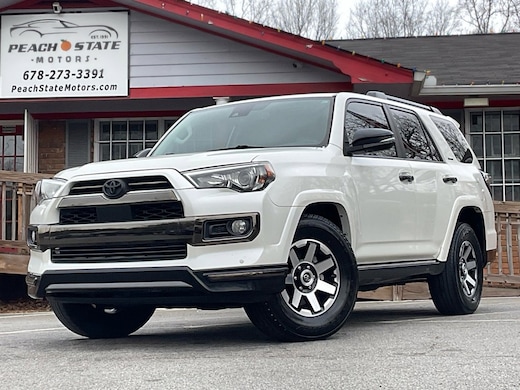
Purchasing a used car can be a savvy financial decision, offering the benefits of a lower purchase price, reduced depreciation, and often lower insurance costs. However, finding a quality used car requires careful consideration and informed decision-making. This article provides valuable insights and practical tips to help you navigate the process of purchasing a used car, ensuring you make a sound investment that meets your needs and expectations.
Research and Preparation
The foundation of a successful used car purchase is thorough research and preparation. Before setting foot in a dealership, arm yourself with knowledge.
- Identify your needs: Consider the type of car that fits your lifestyle and budget.
- Set a budget: Determine how much you can afford, including potential repairs and maintenance.
- Research models: Investigate the reliability and resale value of models you are interested in.
- Check prices: Compare prices online to understand the market value. Discover expert strategies here.
Inspecting Potential Vehicles
When inspecting used cars, a keen eye and attention to detail can prevent costly mistakes. Focus on these key areas:
Exterior and Interior Examination
- Inspect the body for dents, rust, and mismatched paint.
- Check the condition of tires and alignment.
- Examine the interior for wear and tear, especially on seats and dashboard.
- Test all electronics and controls within the vehicle.
Mechanical and Performance Assessment
- Start the engine and listen for unusual noises.
- Check under the hood for leaks and fluid levels.
- Take a test drive to assess handling, braking, and acceleration.
- Have a trusted mechanic perform a pre-purchase inspection. Explore advanced guides and tips.
Evaluating Vehicle History
Understanding the history of a used car is critical to ensuring a wise purchase. Obtain a comprehensive vehicle history report to reveal:
- Previous ownership details.
- Accident history and title status.
- Service and maintenance records.
- Odometer readings to detect any discrepancies.
These reports can often be accessed through online services or directly from the dealership. Find out more about this approach.
Negotiating the Best Deal
Effective negotiation can lead to significant savings and a favorable purchase agreement. Consider these strategies:
- Be informed about the car?s market value.
- Start with a lower offer to provide room for negotiation.
- Be prepared to walk away if terms do not meet your expectations.
- Discuss financing options and terms with the dealer. Learn about our tailored solutions.
Finalizing the Purchase
Once you have negotiated a satisfactory deal, ensure all paperwork is in order before finalizing the purchase:
- Review the sales contract carefully.
- Verify the vehicle identification number (VIN) matches all documents.
- Ensure all verbal agreements are included in the contract.
- Understand the terms of any warranties or return policies.
By following these tips and conducting diligent research, you can confidently navigate the used car market and make a purchase that offers both quality and value. For more comprehensive information and resources, explore advanced guides and tips available online.