
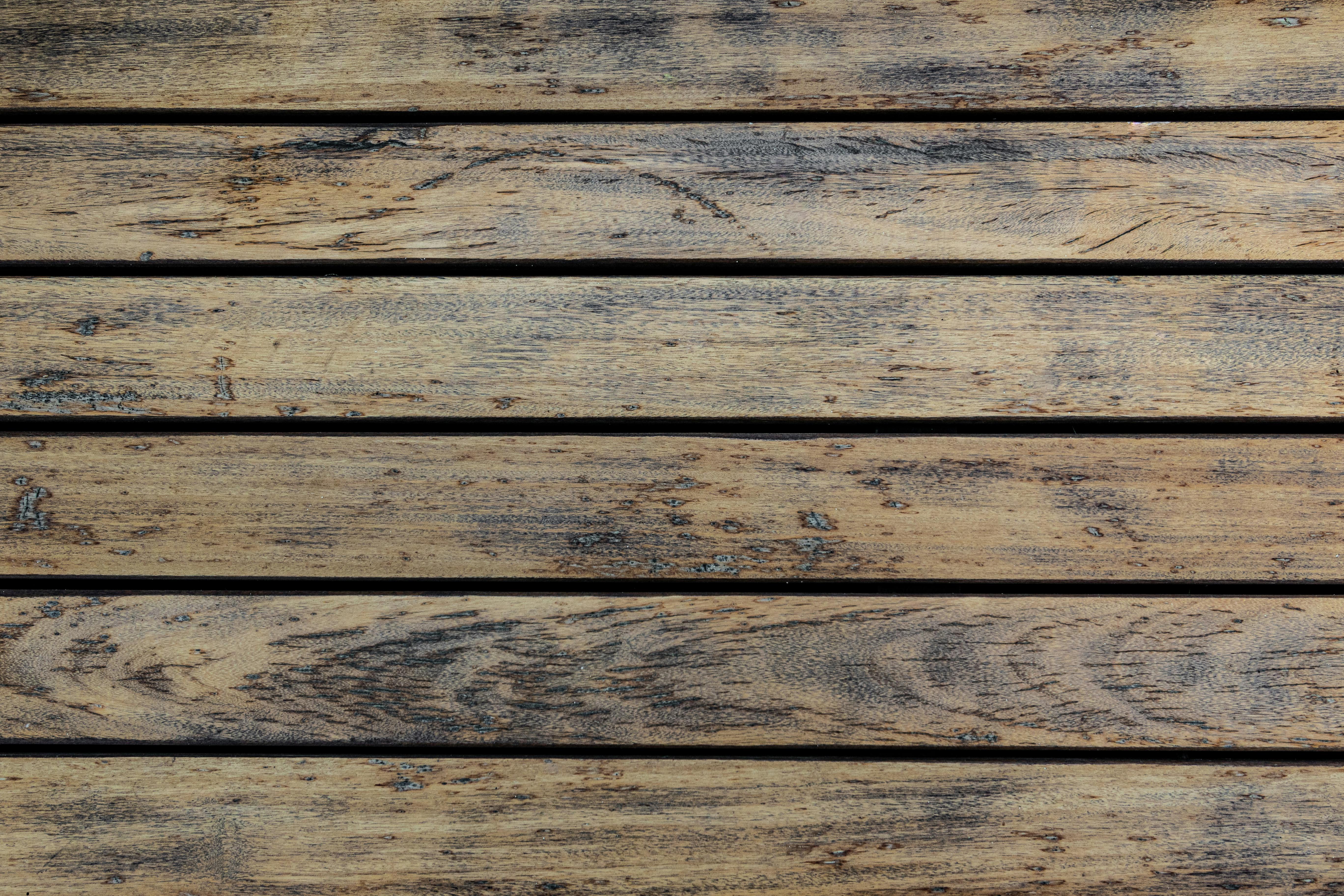
Installing timber flooring is a popular choice for homeowners seeking elegance and durability. Timber floors not only enhance the aesthetic appeal of a space but also add significant value to a property. This ultimate guide provides essential insights into the installation process, ensuring you have all the information needed for a successful project.
Choosing the Right Timber
The first step in installing timber floors is selecting the right type of timber. Consider the following factors:
- Durability: Hardwoods such as oak and maple are known for their resilience.
- Color and Grain: Choose a wood type that complements your interior design.
- Budget: Evaluate cost-effectiveness based on the type and quality of timber.
- Source: Opt for sustainably sourced timber to support environmental conservation.
For a comprehensive overview of timber choices, explore further insights here.
Preparing the Subfloor
Preparation of the subfloor is crucial to ensure a smooth installation process. Here are the key steps:
- Cleaning: Ensure the subfloor is clean and free of debris.
- Leveling: Check for any unevenness and rectify it using leveling compounds.
- Moisture Barrier: Install a moisture barrier to prevent dampness affecting the timber.
A detailed guide on subfloor preparation can be found here.
Installation Methods
Floating Floors
Floating floors involve laying the timber over an underlay without fixing it to the subfloor. This method is quick and cost-effective. It is ideal for DIY enthusiasts due to its simplicity.
Glue-Down Method
For a more permanent solution, the glue-down method involves adhering the timber directly to the subfloor. This technique is suitable for concrete subfloors and provides excellent stability.
Nail-Down Method
The nail-down method is traditional and recommended for wooden subfloors. It involves nailing the timber planks directly to the subfloor, offering a durable and sturdy finish.
To determine the best installation method for your project, read more about this topic.
Finishing the Timber Floor
Once the timber is installed, finishing is essential to enhance its appearance and protect its surface. Consider these options:
- Sanding: Smoothens the surface and prepares it for sealing.
- Sealing: Protects the timber from moisture and wear.
- Polishing: Adds a sheen to the floor, enhancing its visual appeal.
For more on finishing techniques, find additional information here.
Maintenance Tips
Proper maintenance extends the life of your timber floors. Keep these tips in mind:
- Regular Cleaning: Sweep and mop regularly to remove dust and debris.
- Prompt Spill Cleanup: Wipe spills immediately to prevent stains.
- Protective Pads: Use pads on furniture legs to prevent scratches.
- Humidity Control: Maintain a stable humidity level to prevent warping.
For comprehensive maintenance guidelines, learn more in this detailed guide.
Timber floor installation, when executed with precision and care, can transform a space significantly. From selecting the right timber to understanding the installation methods, each step plays a pivotal role. Utilize this guide to embark on your flooring project confidently and ensure a result that combines beauty with functionality.