
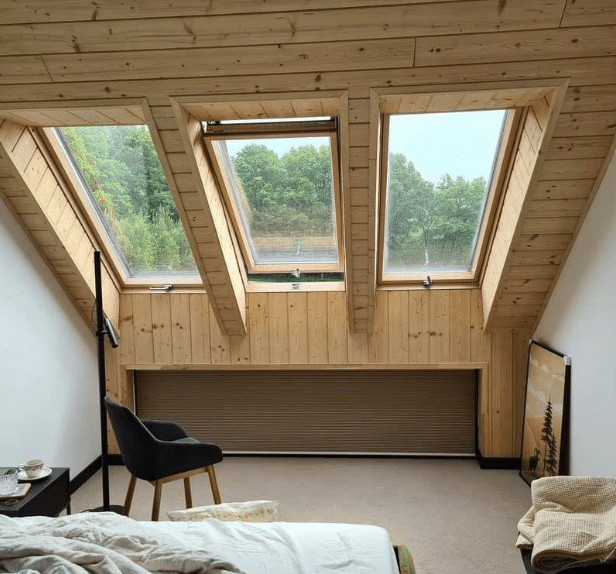
In the realm of modern architecture and design, rooflights have emerged as pivotal elements that enhance natural light penetration while adding aesthetic appeal to buildings. However, the integration of rooflights requires careful consideration of the materials used, with toughened glass standing out as a superior choice. The use of toughened glass in rooflight design not only ensures safety and durability but also optimizes the functionality and longevity of these architectural features. This article delves into the importance of toughened glass in rooflight design, exploring its benefits and applications.
Understanding Toughened Glass
Toughened glass, also known as tempered glass, is a type of safety glass that undergoes controlled thermal treatment. This process increases its strength compared to normal glass, making it an ideal choice for various architectural applications, including rooflights. The key features of toughened glass include:
- Enhanced Strength: It is several times stronger than standard glass, providing robust resistance to impact.
- Safety: In the unlikely event of breakage, it shatters into small, blunt pieces, reducing the risk of injury.
- Thermal Resistance: It withstands significant temperature variations, making it suitable for external applications.
For more detailed insights on how toughened glass is manufactured and its properties, read more about this topic.
Importance of Toughened Glass in Rooflights
Rooflights serve multiple functions, such as improving natural lighting, enhancing ventilation, and contributing to energy efficiency. Incorporating toughened glass in rooflight design significantly amplifies these advantages:
Safety and Security
One of the foremost considerations in rooflight design is safety. Toughened glass ensures that the rooflight can withstand significant force, thereby offering a secure option for residential and commercial projects. The safety aspect is further enhanced because, if broken, toughened glass does not form sharp shards.
Durability and Longevity
Rooflights need to endure various environmental factors such as wind, rain, and snow. Toughened glass offers remarkable durability, ensuring that rooflights remain functional over extended periods without succumbing to wear and tear. Explore further insights here about how toughened glass withstands environmental stressors.
Thermal Efficiency
With the growing emphasis on energy efficiency in building design, toughened glass plays a crucial role. It provides excellent thermal insulation, helping to maintain indoor temperatures and reduce energy consumption. This can contribute to lower heating and cooling costs, making it a sustainable choice for environmentally conscious designs.
Design Flexibility and Aesthetic Appeal
Toughened glass offers immense design flexibility, allowing architects to create bespoke rooflight solutions that align with the overall aesthetic of a building. Its transparency and ability to be formed into various shapes and sizes make it a versatile material. Additionally, its sleek appearance complements modern architectural trends, enhancing the visual appeal of any structure. Find additional information here on how toughened glass can be customized for architectural projects.
Conclusion
Incorporating toughened glass into rooflight design is not merely a trend but a necessity for modern architecture. Its unparalleled strength, safety features, and thermal efficiency make it an indispensable material for creating functional and aesthetically pleasing rooflights. As architects and builders continue to seek sustainable and durable building solutions, toughened glass remains at the forefront, ensuring that rooflights can meet the demands of contemporary design and environmental standards. Learn more in this detailed guide about how toughened glass can enhance your architectural projects.