
Residential window tinting is a versatile solution that offers both functional and aesthetic benefits to homeowners. As modern architectural designs increasingly feature expansive glass surfaces, the need for effective and visually appealing window treatments has become more significant. Window tinting not only enhances the visual appeal of a home but also contributes significantly to interior comfort by regulating temperature, reducing glare, and protecting against harmful UV rays. This article explores how residential window tinting can elevate both the comfort and style of living spaces.
Enhancing Home Comfort
Window tinting can transform the comfort levels in a home in various ways. Here are several key benefits:
- Temperature Regulation: Window films are designed to reflect and absorb solar energy, thereby maintaining a more consistent indoor temperature. This can result in reduced reliance on air conditioning systems, leading to potential energy savings.
- Glare Reduction: By minimizing glare from sunlight, window tints improve the clarity of screens and provide a more comfortable viewing experience, whether watching television or working on a computer.
- UV Protection: Residential window films can block up to 99% of harmful ultraviolet rays, safeguarding not only the inhabitants but also preventing the fading of furniture, flooring, and other interior elements.
For more insights into how window tinting can improve home comfort, read more about this topic.
Adding Style and Privacy
Beyond comfort, window tinting offers aesthetic enhancements and privacy benefits:
- Enhanced Aesthetic Appeal: Window tints are available in various shades and finishes, allowing homeowners to complement their home’s exterior and interior design seamlessly.
- Increased Privacy: Tinted windows obscure the view from outside without sacrificing natural light, offering a sense of privacy and security for residents.
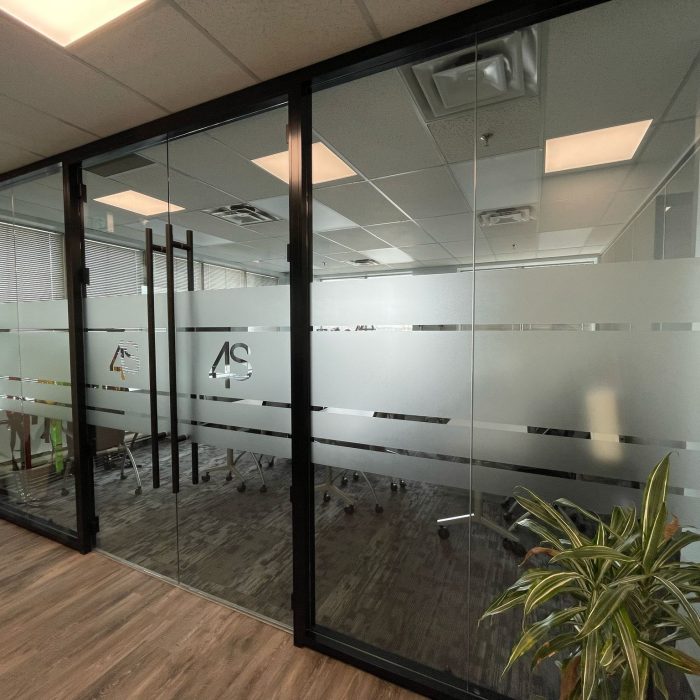
- Versatile Design Options: From frosted films to decorative patterns, window tints provide creative possibilities for personalizing living spaces.
For a detailed guide on selecting the right tint for your home, learn more in this detailed guide.
Environmental and Economic Benefits
Window tinting can also contribute positively to both environmental sustainability and household budgets:
- Energy Efficiency: By reducing the need for heating and cooling, tinted windows help lower energy consumption, which can decrease monthly utility bills.
- Eco-friendly Solution: Many window films are manufactured using sustainable practices and materials, aligning with eco-conscious consumer values.
- Cost-effective Investment: The long-term savings on energy bills and the protection of interior assets make window tinting a financially sound investment.
To explore further insights on the economic benefits of window tinting, explore further insights here.
Installation Considerations
When considering window tinting for a residence, several factors should be taken into account:
- Quality of Film: Opt for high-quality films that offer longevity and superior performance.
- Professional Installation: Engage professional services to ensure a flawless application and maximize the benefits of window tinting.
- Compliance with Regulations: Check local regulations regarding window tinting to ensure compliance with any specific requirements.
For additional information on the installation process and considerations, find additional information here.
Conclusion
Residential window tinting is a practical and stylish solution for homeowners looking to enhance the comfort and aesthetic appeal of their living spaces. From energy savings and UV protection to privacy and design versatility, window tints offer a range of benefits that can significantly improve the quality of life within a home. As the demand for sustainable and efficient home solutions grows, window tinting stands out as an investment that aligns with both modern lifestyle and environmental values.