
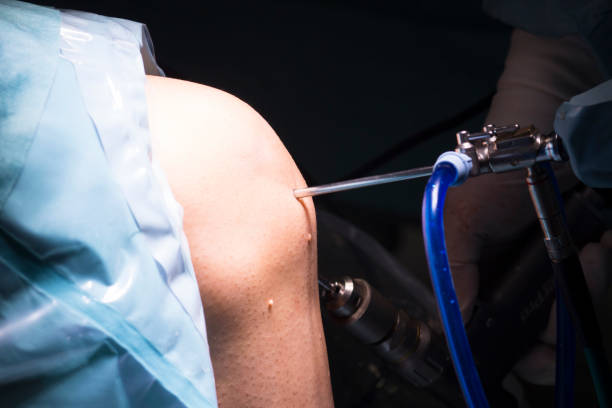
Needle arthroscopy has emerged as a minimally invasive alternative to traditional joint surgery, offering patients quicker recovery times, reduced scarring, and lower risk of complications. In Miami’s vibrant medical community, the demand for specialized consultation services has grown alongside advances in technology such as the nanoscale arthroscope. Understanding the benefits, procedural steps, and what to expect during a consultation can empower patients to make informed decisions about their joint health.
What Is Needle Arthroscopy?
Needle arthroscopy utilizes a slender, needle-size camera, often referred to as a nanoscope needle arthroscopy, to visualize the interior of joints through a tiny incision. Unlike conventional arthroscopy, which typically requires a 4-5″?mm portal, needle arthroscopy can be performed through a 1.2-2″?mm entry point. This reduction in size translates into less tissue disruption, minimal postoperative pain, and the ability to conduct the procedure in an office-based setting for many indications.
Key Advantages of Needle Arthroscopy
- Minimized Trauma: The ultra-small portal reduces damage to surrounding soft tissue.
- Rapid Recovery: Most patients resume normal activities within days, not weeks.
- Outpatient Convenience: Many procedures are completed without the need for a full operating suite.
- Enhanced Diagnostic Accuracy: Direct visualization surpasses imaging alone for detecting cartilage lesions, meniscal tears, and ligament injuries.
- Cost-Effectiveness: Lower facility fees and anesthesia requirements can reduce overall expense.
When to Consider a Needle Arthroscopy Consultation
A thorough Needle arthroscopy consultation helps determine whether this technique aligns with a patient’s specific condition. Ideal candidates often include individuals with:
- Persistent knee pain after conservative therapy.
- Suspected meniscal or cartilage pathology not fully resolved by MRI.
- Small-to-moderate joint space narrowing where a full arthroscopy may be excessive.
- Desire for a quick return to sport or work activities.
Questions to Ask During the Consultation
- What specific joint issues can be addressed with needle arthroscopy?
- How does the procedure differ from traditional arthroscopy in terms of anesthesia and recovery?
- What are the potential risks or limitations?
- Will any additional imaging be required before the procedure?
- What post-procedure rehabilitation protocol is recommended?
Preparing for Your Appointment
Preparation is straightforward but essential for a smooth experience. Patients should:
- Gather recent imaging studies (MRI, X-ray) and a list of current medications.
- Document the history of symptoms, including onset, aggravating factors, and previous treatments.
- Arrange transportation for the day of the procedure, even though anesthesia is often minimal.
- Follow any pre-procedure fasting or medication guidelines provided by the clinic.
The Consultation Process
During the appointment, the specialist conducts a comprehensive evaluation that typically includes:
- Medical History Review: Detailed discussion of joint complaints, prior injuries, and overall health status.
- Physical Examination: Assessment of range of motion, stability, and specific provocative tests.
- Imaging Review: Correlation of MRI or ultrasound findings with clinical presentation.
- Procedure Explanation: Walk-through of the needle arthroscopy technique, expected sensations, and recovery timeline.
- Decision Making: Collaborative determination of whether to proceed with needle arthroscopy, schedule a traditional arthroscopy, or pursue alternative therapies.
Finding Expert Care in Miami
Miami hosts a range of orthopedic professionals experienced in the latest minimally invasive techniques. When searching for a qualified provider, look for credentials such as board certification in orthopaedic surgery, specific training in needle-based procedures, and positive patient outcomes. An online search for needle arthroscopy near me can help identify local specialists who regularly perform these interventions.
What to Expect After the Procedure
Post-procedure care focuses on protecting the joint while encouraging early mobility. Typical recommendations include:
- Ice application for the first 24-48″?hours to control swelling.
- Gentle range-of-motion exercises starting the day after the procedure.
- Weight-bearing as tolerated, often within the first 24″?hours.
- Physical therapy sessions beginning within a week to restore strength and function.
- Follow-up visit within 1-2″?weeks to assess healing and address any concerns.
Cost Considerations and Insurance
Because needle arthroscopy can be performed in an office setting, the associated facility fees are generally lower than those for traditional arthroscopy. Many insurance plans recognize the procedure as medically necessary when indicated, but verification is essential. Patients should contact their insurer with the CPT code for needle arthroscopy and inquire about any required pre-authorization.
Conclusion
For individuals seeking a less invasive approach to joint evaluation and treatment, needle arthroscopy offers a compelling option. A well-structured Needle arthroscopy service Miami provides patients with expert assessment, clear communication of benefits and risks, and a pathway to faster recovery. By understanding the procedure, preparing appropriately, and selecting an experienced Needle arthroscopy doctor, patients can confidently pursue a solution that aligns with their lifestyle and health goals.