
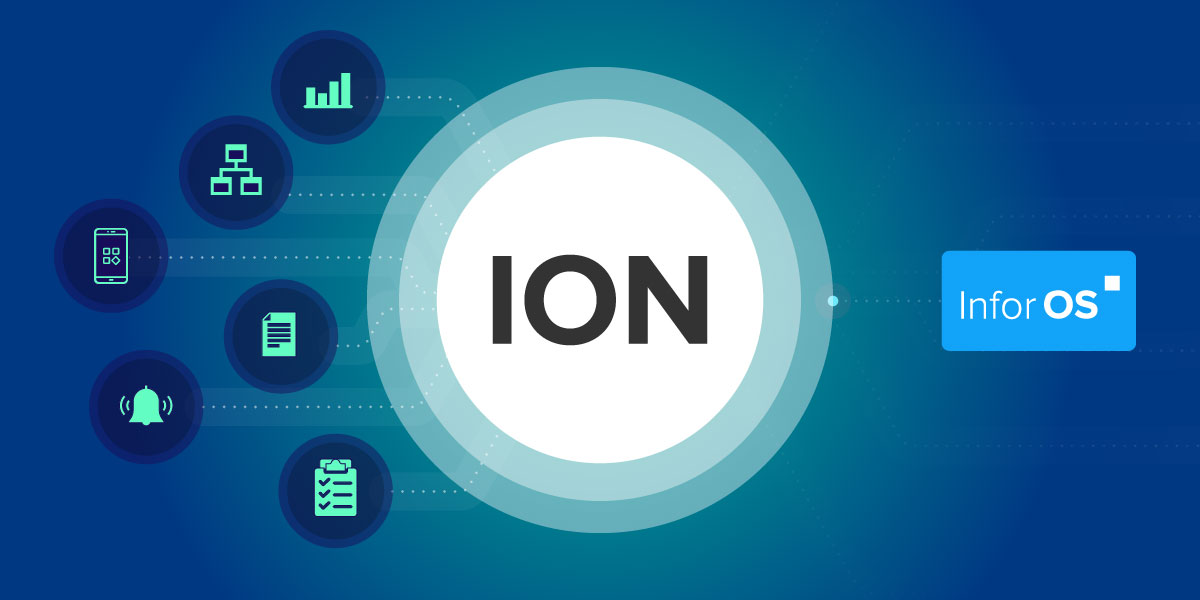
In today’s fast-paced business landscape, the ability to make informed and timely decisions is more crucial than ever. Organizations are constantly seeking ways to enhance their decision-making capabilities to maintain a competitive edge. A critical factor in achieving this is the integration of comprehensive information. By effectively aggregating and analyzing data from various sources, companies can gain a holistic view of their operations and the market, enabling them to make data-driven decisions swiftly. This article explores the strategies and benefits of leveraging comprehensive information integration to bolster decision-making processes.
The Role of Information Integration in Decision-Making
Information integration plays a pivotal role in strengthening decision-making processes. By consolidating data from disparate sources, organizations can:
- Improve data accuracy and consistency across departments.
- Enhance visibility into business operations and trends.
- Facilitate real-time data analysis for quicker response times.
- Enable predictive analytics and forecasting.
The integration of information is not merely about data collection. It is about transforming raw data into actionable insights. For those looking to leverage advanced information integration solutions, it’s important to consider platforms that offer seamless connectivity and real-time analytics. Discover expert strategies here.
Key Strategies for Effective Information Integration
1. Establishing a Unified Data Platform
The foundation of effective information integration lies in establishing a unified data platform. This platform acts as a central repository where data from various sources can be collected, stored, and analyzed. Organizations should focus on:
- Implementing scalable and flexible data architectures.
- Ensuring data security and compliance with regulations.
- Utilizing cloud-based solutions for enhanced accessibility.
A unified data platform allows for streamlined data management processes, ultimately leading to more coherent and efficient decision-making. Learn about our tailored solutions.
2. Leveraging Advanced Analytics Tools
To maximize the benefits of information integration, organizations should leverage advanced analytics tools. These tools enable businesses to uncover hidden patterns and insights, driving informed decision-making. Consider the following:
- Utilizing machine learning algorithms for predictive analytics.
- Implementing AI-driven tools for real-time data processing.
- Incorporating visualization tools for intuitive data interpretation.
By integrating these advanced analytics tools, businesses can move from descriptive to prescriptive analytics, enhancing their strategic planning capabilities. Explore advanced guides and tips.
Challenges and Solutions in Information Integration
While the benefits of information integration are significant, organizations often face challenges in its implementation. Common hurdles include:
- Data silos that restrict information flow.
- Integration complexities due to legacy systems.
- Data quality issues affecting decision accuracy.
Addressing these challenges requires strategic planning and the adoption of robust integration solutions. Modern platforms offer features such as data cleansing, automated workflows, and compatibility with existing IT infrastructure to overcome these obstacles. Find out more about this approach.
Conclusion
Comprehensive information integration is a transformative approach that can significantly enhance decision-making processes in organizations. By investing in unified data platforms and advanced analytics tools, businesses can harness the full potential of their data, driving strategic initiatives and ensuring a competitive advantage. As the business environment continues to evolve, the ability to make swift, informed decisions will remain a key differentiator for successful organizations.