
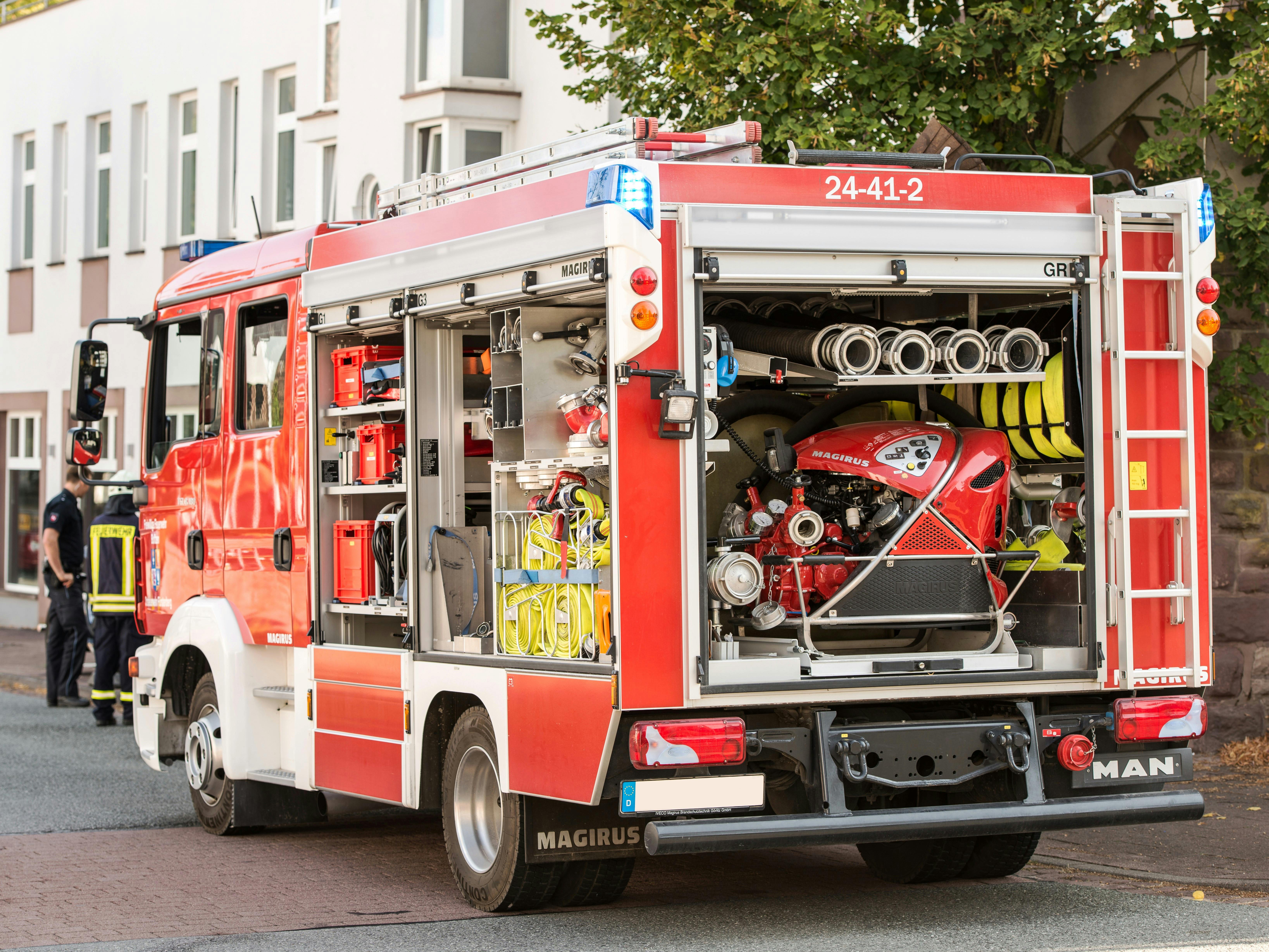
Fire risk assessment is a critical component of any safety program, providing the insight needed to prevent catastrophic loss before it occurs. By systematically identifying potential ignition sources, vulnerable materials, and structural weaknesses, organizations can implement targeted controls that safeguard people, property, and reputation. This article outlines the essential steps, best practices, and practical tools for conducting a thorough fire risk assessment, ensuring that hazards are addressed proactively rather than reactively.
Understanding the Core Elements of a Fire Risk Assessment
1. Hazard Identification
- Locate all possible ignition sources, such as electrical equipment, open flames, and hot work activities.
- Identify combustible materials, including storage of flammable liquids, paper, and dust accumulations.
- Assess building features that could exacerbate fire spread, like open stairwells, voids, and inadequate compartmentalisation.
2. Evaluating Likelihood and Consequence
- Analyse historical incident data and industry statistics to gauge the probability of each identified hazard.
- Consider occupancy levels, operational schedules, and the presence of vulnerable populations (e.g., elderly residents, children).
- Determine potential impact on life safety, equipment, and business continuity.
3. Control Measures and Recommendations
- Implement engineering controls such as automatic fire suppression systems, fire-resistant construction, and proper ventilation.
- Adopt administrative controls including regular maintenance, staff training, and clear emergency procedures.
- Ensure appropriate detection and alarm systems are installed and routinely tested.
Step-by-Step Process for Conducting an Effective Assessment
- Preparation and Planning
- Gather building plans, occupancy data, and previous fire incident reports.
- Define the scope, whether the assessment covers the entire facility or specific high-risk zones.
- Assign qualified personnel or engage external specialists for an unbiased review.
- On-Site Inspection
- Walk through each area, documenting sources of heat, fuel, and oxygen.
- Use checklists to ensure consistency and completeness.
- Take photographs and note any deviations from fire codes or best practices.
- Risk Analysis
- Rate each hazard on a scale of likelihood and severity.
- Prioritise risks that present the highest combined score for immediate action.
- Reference industry standards such as NFPA 1 or local fire codes for benchmark comparison.
- Reporting and Recommendations
- Compile findings into a clear, actionable report.
- Include a timeline for remediation, responsible parties, and cost estimates.
- Provide guidance on ongoing monitoring and periodic reassessment.
- Implementation and Follow-Up
- Coordinate with maintenance teams to install or upgrade fire protection systems.
- Schedule training sessions for staff on fire prevention and emergency response.
- Set a calendar for regular review, ensuring that changes in operations or layout are reflected in the risk profile.
Key Benefits of a Proactive Fire Risk Assessment
- Reduced Incident Frequency – Early detection of hazards limits the chance of ignition.
- Enhanced Life Safety – Properly designed egress routes and alarm systems protect occupants.
- Financial Savings – Preventing fire damage avoids costly repairs, insurance premiums, and downtime.
- Regulatory Compliance – Demonstrates adherence to legal obligations, reducing the risk of fines.
- Reputation Management – Shows stakeholders a commitment to safety, building trust and confidence.
Integrating Technology and Expert Guidance
Modern fire safety solutions leverage data analytics, IoT sensors, and cloud-based reporting to provide real-time visibility into risk factors. For organizations seeking to stay ahead of emerging threats, partnering with specialists who understand both the regulatory landscape and cutting-edge technology is essential. Discover expert strategies here and gain insight into how advanced monitoring can complement traditional assessments.
In addition, tailored consulting services can help translate generic guidelines into site-specific action plans. By reviewing case studies and best-practice frameworks, decision-makers can align fire safety initiatives with broader business objectives. Learn about our tailored solutions to ensure that every recommendation is practical, cost-effective, and measurable.
Maintaining Ongoing Vigilance
Fire risk is not a static condition; it evolves with changes in equipment, processes, and occupancy. A robust safety culture requires continuous monitoring, periodic reassessment, and regular training refreshers. Establishing a clear schedule for inspections and updating documentation helps keep the risk profile current.
- Schedule quarterly walkthroughs focusing on high-risk areas.
- Update fire safety plans whenever new machinery or hazardous materials are introduced.
- Conduct annual fire drills to test response times and identify procedural gaps.
For practical tools and checklists that simplify these ongoing tasks, Explore advanced guides and tips that are designed for both small businesses and large industrial sites.
Conclusion
Investing time and resources into a comprehensive fire risk assessment is a strategic decision that protects lives, assets, and reputation. By systematically identifying hazards, evaluating their potential impact, and implementing targeted controls, organizations can create a resilient safety framework. Continuous improvement, supported by expert guidance and modern technology, ensures that fire risk remains managed and mitigated over the long term. To deepen understanding and access additional resources, Find out more about this approach and stay ahead of emerging fire safety challenges.