
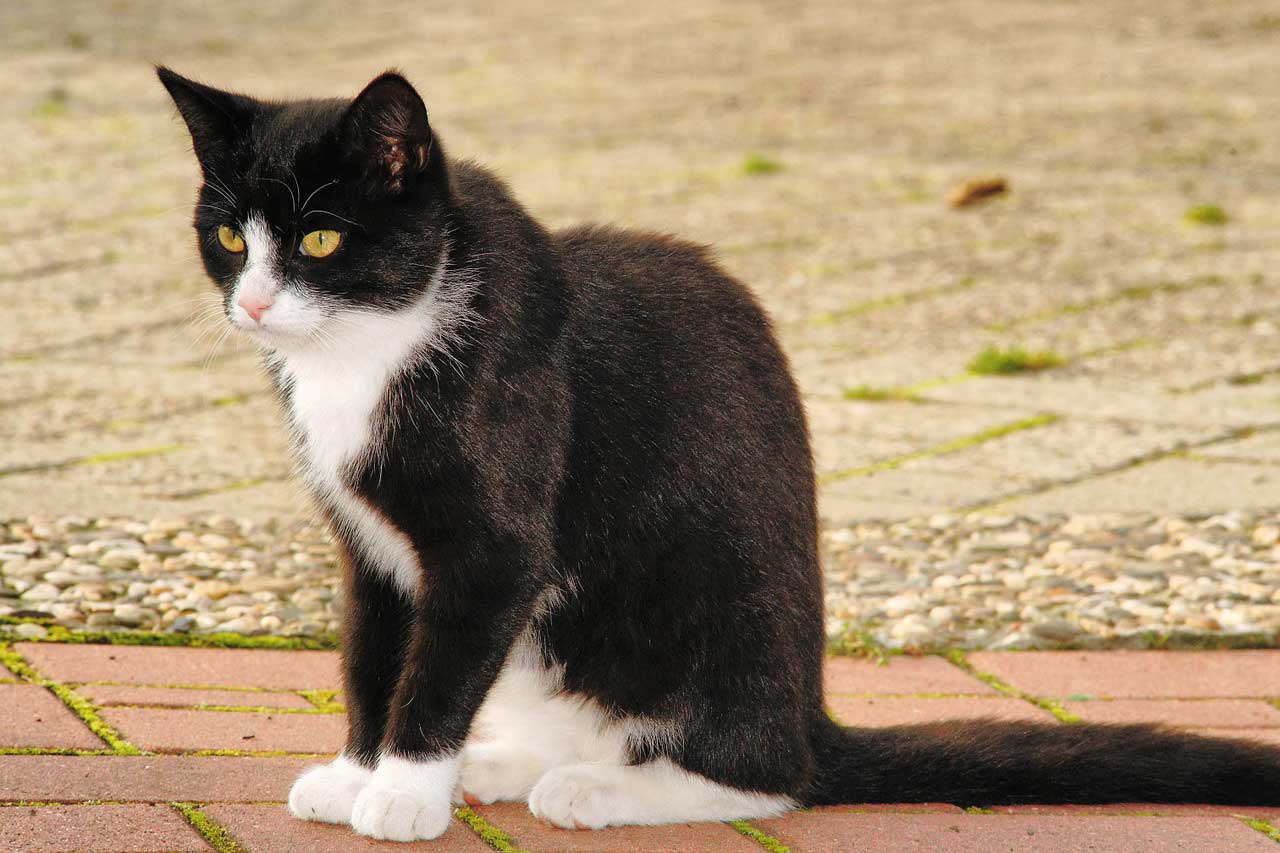
Feline Leukemia Virus (FeLV) is a highly infectious and potentially life-threatening disease that affects cats worldwide. It is a leading cause of feline infectious disease-related deaths and can result in a wide range of health issues, from anemia to cancer. Early detection through a feline leukemia test is crucial for managing and preventing the spread of this disease. This article explores the importance of testing for FeLV, the methods available, and preventative measures that pet owners can take to protect their feline companions.
Understanding Feline Leukemia Virus
Feline Leukemia Virus is a retrovirus that weakens a cat’s immune system, making it susceptible to various infections and illnesses. The virus is transmitted through close contact, such as grooming, sharing food and water bowls, and bite wounds. The symptoms of FeLV can vary widely, but commonly include:
- Loss of appetite and weight loss
- Pale gums and jaundice
- Fever and lethargy
- Swollen lymph nodes
- Recurrent infections
Testing for Feline Leukemia
Early detection through a cat leukemia test is essential in identifying and managing FeLV. There are several methods available for testing:
ELISA Test
The Enzyme-Linked Immunosorbent Assay (ELISA) test is commonly used for initial screening. It detects the presence of FeLV antigens in the blood and provides quick results. If a cat tests positive, further testing is recommended for confirmation.
IFA Test
The Immunofluorescence Assay (IFA) test is used to confirm an ELISA positive result. It checks for the presence of the virus in white blood cells, indicating a persistent infection. This test is crucial for determining the long-term prognosis of the cat.
Preventing Feline Leukemia
Prevention is the best approach to protecting cats from FeLV. Here are some key strategies:
- Vaccination: A cat feline leukemia vaccine is available and is recommended for kittens and high-risk cats. Regular cat vaccinations are essential to boost the immune system and prevent the spread of FeLV.
- Testing New Cats: Before introducing a new cat to a household, ensure they undergo a kitten leukemia test. This helps prevent the transmission of FeLV to existing pets.
- Indoor Lifestyle: Keeping cats indoors reduces the risk of exposure to FeLV. Outdoor cats are more likely to come into contact with infected animals.
- Regular Veterinary Check-ups: Routine visits to the vet include cat immunization and health assessments to catch any early signs of disease.
Conclusion
Feline Leukemia is a serious threat to cat health, but with proactive measures such as regular testing, leukemia vaccine for cats, and maintaining an indoor lifestyle, the risk can be significantly reduced. Pet owners are encouraged to stay informed and consult with their veterinarians to ensure the well-being of their feline friends. By understanding the importance of tests and vaccines, cats can lead healthier and longer lives.