
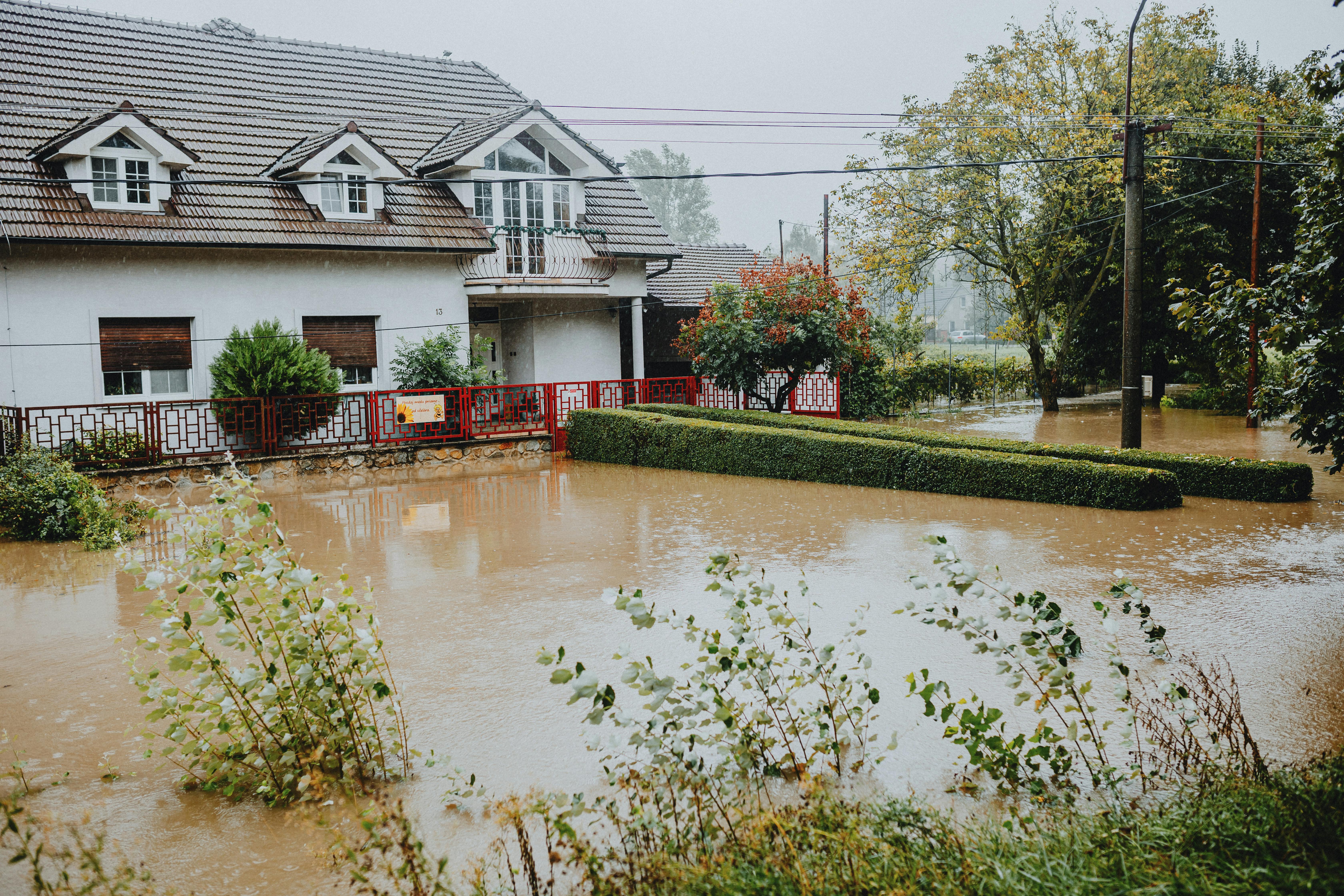
Water damage is an unwelcome guest that can wreak havoc on properties, leading to structural issues, mold growth, and other costly problems if not handled promptly and efficiently. The key to mitigating such damage lies in fast and reliable water damage repair services that not only address the immediate issue but also prevent future occurrences. Understanding the nuances of water damage and the repair process is crucial for property owners aiming to safeguard their investments and ensure the long-term integrity of their buildings.
Understanding Water Damage
Water damage can occur due to various reasons, including natural disasters, faulty plumbing, and appliance leaks. It is imperative to recognize the signs early to prevent extensive damage. Common indicators include:
- Discoloration of walls and ceilings
- Musty odors indicating mold growth
- Bubbling or peeling paint
- Warped flooring
- Visible mold on surfaces
Identifying these signs early can facilitate a quicker response, minimizing the damage and the cost of repairs. Discover expert strategies here for early detection and intervention.
Steps in Water Damage Repair
Assessment and Inspection
The first step in addressing water damage involves a thorough assessment to determine the extent of the damage. Professionals use advanced tools to inspect the affected areas and identify the root cause. This step is crucial in devising an effective repair plan. Learn about our tailored solutions for comprehensive assessments.
Water Extraction
Once the assessment is complete, the next step is to remove the standing water. This is achieved using industrial-grade pumps and vacuums designed to extract large volumes of water rapidly. Quick extraction is vital to curtail further damage and prevent mold growth.
Drying and Dehumidification
After water extraction, drying and dehumidification processes are implemented to remove any residual moisture. High-speed air movers and dehumidifiers are employed to ensure all affected areas are completely dry, preventing the risk of mold and mildew. Explore advanced guides and tips on effective drying techniques.
Cleaning and Sanitizing
Post-drying, thorough cleaning and sanitizing are conducted to eliminate any contaminants that may have been introduced by the water. This includes cleaning personal belongings, furniture, and any other affected materials with specialized products.
Restoration and Repairs
The final step in the water damage repair process is the restoration of the property to its pre-damage condition. This could involve minor repairs such as drywall replacement and carpet cleaning, or more extensive reconstruction projects depending on the severity of the damage. Find out more about this approach to complete restoration.
Preventive Measures
Preventing water damage is more cost-effective than dealing with its aftermath. Here are some preventive strategies:
- Regularly inspect plumbing and appliances for leaks.
- Install a sump pump in basements to prevent flooding.
- Ensure proper drainage around the property, directing water away from the foundation.
- Maintain gutters and downspouts to avoid blockages.
- Consider installing water leak detection systems.
Implementing these measures can significantly reduce the likelihood of water damage. Explore advanced guides and tips for more preventive strategies.
In conclusion, addressing water damage promptly and efficiently is vital to maintaining the integrity and value of a property. By understanding the repair process and implementing preventive measures, property owners can effectively combat the damaging effects of water infiltration.