
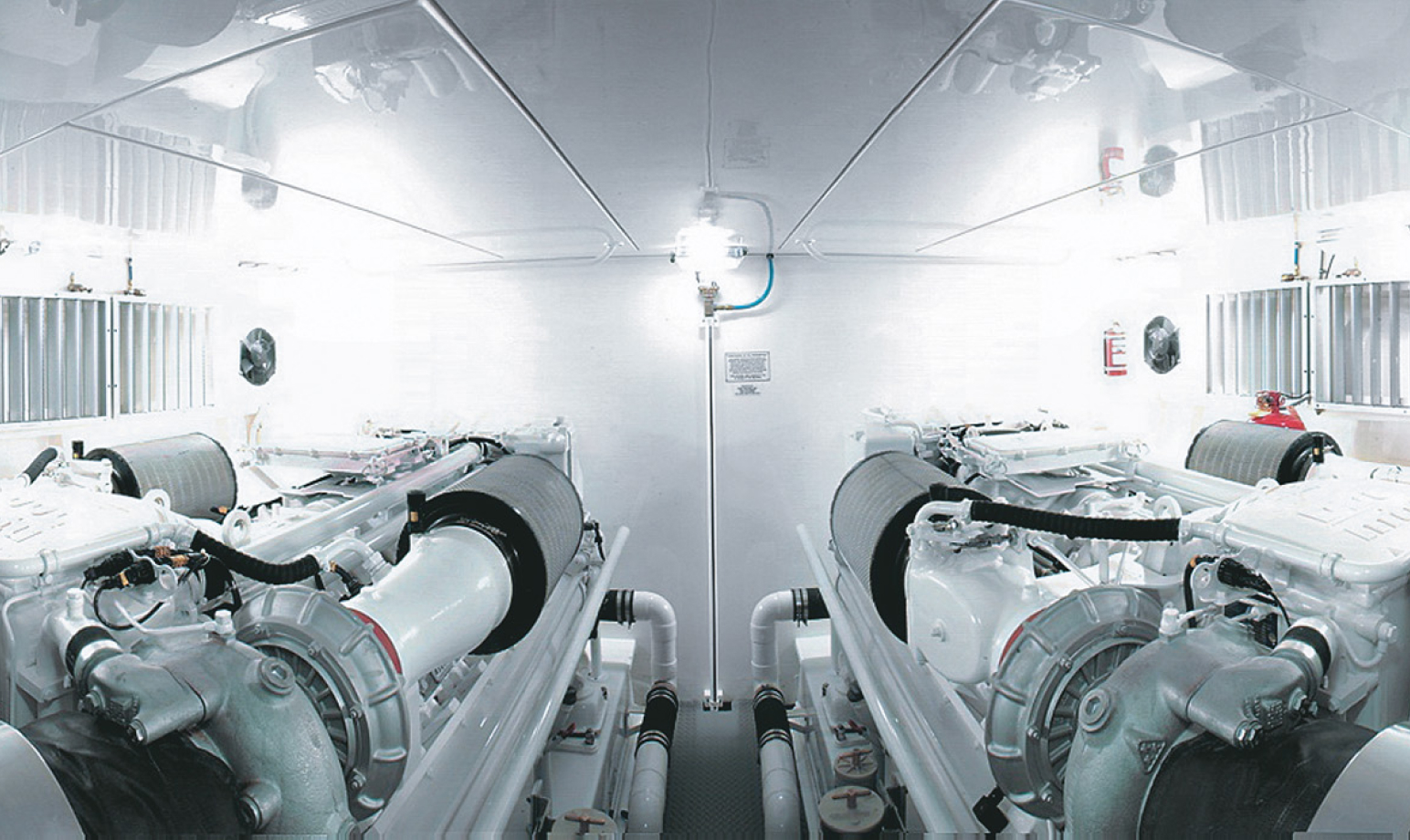
Efficient marine ventilation systems play a crucial role in maintaining the safety, comfort, and operational efficiency of marine vessels. As vessels navigate through diverse and often challenging environments, the necessity for proper ventilation becomes increasingly evident. These systems are designed to ensure optimal air circulation within various compartments of a ship, thereby minimizing risks associated with poor air quality and temperature fluctuations. Understanding the multifaceted benefits of these systems is essential for those involved in the maritime industry, whether in vessel design, operation, or maintenance.
Significance of Marine Ventilation Systems
Ensuring optimal air quality aboard a vessel is paramount. Marine ventilation systems are engineered to address this need through their ability to:
- Regulate temperature and humidity levels within engine rooms and living quarters.
- Reduce the accumulation of harmful gases and smoke, thereby enhancing onboard safety.
- Promote energy efficiency by reducing the workload on other systems like air conditioning.
By addressing these critical areas, ventilation systems contribute significantly to the overall operational efficiency and safety of marine vessels.
Components of Efficient Ventilation Systems
Fans and Blowers
Fans and blowers are integral components of marine ventilation systems. They are responsible for ensuring the adequate movement of air within the vessel, facilitating both intake of fresh air and expulsion of stale air. The selection of appropriate fans and blowers is crucial, given their impact on the system?s overall efficiency and performance.
Air Ducts and Louvers
Air ducts and louvers are essential in directing airflow to specific areas of the vessel. Properly designed ductwork ensures minimal resistance and maximizes airflow efficiency. Louvers, on the other hand, act as barriers to prevent water ingress while allowing air to pass through freely.
Exhaust Systems
Exhaust systems are vital for removing contaminated air and fumes from the vessel. These systems are particularly important in engine rooms, where the buildup of exhaust gases can pose significant safety risks. Efficient exhaust systems help maintain air quality and prevent the accumulation of potentially hazardous emissions.
Benefits of Implementing Advanced Ventilation Solutions
Investing in advanced ventilation solutions offers several advantages:
- Enhanced Safety: By facilitating the removal of hazardous gases and maintaining clean air, these systems mitigate risks associated with fire hazards and health issues.
- Operational Efficiency: Proper ventilation reduces the strain on heating, cooling, and other mechanical systems, leading to lower energy consumption and operational costs.
- Improved Comfort: Adequate air circulation contributes to a more comfortable environment for crew members, which can enhance productivity and morale.
Considerations for Selecting Ventilation Systems
When selecting a ventilation system for a marine vessel, several factors should be taken into account:
- Vessel Size and Type: The size and type of the vessel significantly influence the design and capacity requirements of the ventilation system.
- Regulatory Compliance: Ensuring that the system complies with international maritime safety and environmental standards is crucial.
- Maintenance Needs: Consideration of the system?s maintenance requirements and ease of access for routine checks and repairs is essential for long-term operation.
Conclusion
Efficient marine ventilation systems are indispensable for maintaining the functional integrity and safety of marine vessels. By ensuring proper air circulation and quality, these systems significantly enhance both operational efficiency and onboard comfort. With advancements in ventilation technology, the maritime industry can look forward to more innovative solutions that promise to address the evolving needs of modern seafaring vessels. For more information on optimizing ventilation systems, explore the latest offerings in the realm of marine ventilation systems and discover how they can benefit your maritime operations.