
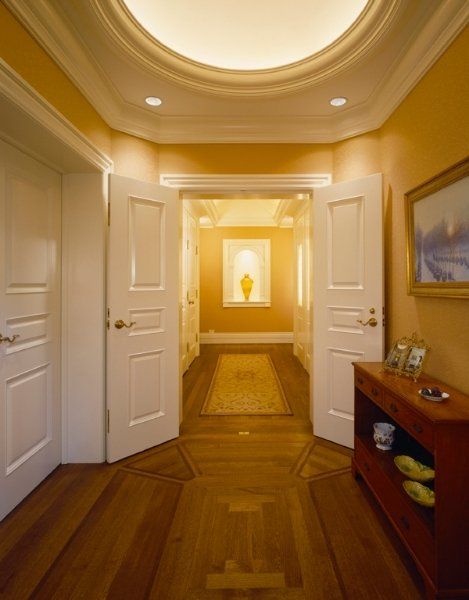
Architectural trim is an essential element in enhancing the aesthetic appeal of homes, adding character, sophistication, and a sense of completion to any space. Whether it’s crown molding, baseboards, or decorative door frames, these elements can transform a home’s interior from bland to beautiful. The art of using architectural trim lies in its ability to subtly influence the perception of a room, adding depth and texture. This article explores how to effectively incorporate architectural trim into home design, providing insights into styles, materials, and the benefits of working with skilled professionals.
The Importance of Architectural Trim
Architectural trim serves both functional and aesthetic purposes. It can hide imperfections, protect walls from damage, and enhance the architecture of a home. Here are some key benefits:
- Visual Interest: Trim adds layers and depth to otherwise flat surfaces, making spaces appear more dynamic.
- Proportion and Balance: It helps in defining spaces and maintaining visual harmony within a room.
- Value Addition: Well-executed trim work can significantly increase the market value of a property.
Styles of Architectural Trim
The selection of trim styles should align with the overall design theme of the home. Here are a few popular choices:
Crown Molding
Crown molding is a classic choice that adds elegance and height to a room. It bridges the gap between walls and ceilings, creating a visually appealing transition. Incorporating intricate designs with interior architectural detailing ensures a luxurious finish.
Baseboards
Baseboards run along the bottom of walls, providing a clean edge and protecting walls from scuffs and damage. They come in various heights and styles, from simple and understated to ornate and eye-catching.
Door and Window Casings
Door and window casings frame openings, adding definition and enhancing the architecture of the space. Choosing the right custom home detailing architect can help in selecting casings that complement other architectural elements.
Materials for Architectural Trim
The choice of material is critical in achieving the desired look and durability. Here are some options:
- Wood: Offers a warm and traditional look, suitable for most homes. It can be easily customized and stained.
- MDF (Medium-Density Fiberboard): A cost-effective alternative to wood, MDF is smooth and easy to paint.
- Polyurethane: Lightweight and resistant to moisture, it is ideal for rooms with high humidity.
Opting for residential architectural details crafted from quality materials ensures longevity and aesthetic appeal.
Working with Professionals
Engaging with a professional luxury home detailing architect can make a significant difference in the outcome of a trim project. Experts bring a wealth of knowledge and experience, ensuring that the detailing complements the home’s architecture and meets the homeowner’s vision.
Here are some advantages of professional involvement:
- Expertise in Design: Professionals can provide insights into the latest trends and timeless styles.
- Quality Execution: With precise craftsmanship, the installation is seamless and durable.
- Custom Solutions: Professionals can design custom architectural details tailored to specific needs and preferences.
Conclusion
Architectural trim is more than just a decorative element; it’s a vital component of home design. By carefully selecting the styles, materials, and engaging with a skilled architectural trim and molding design expert, homeowners can enhance their living spaces, adding value and beauty. Whether embarking on a new construction or a renovation project, the right trim can elevate any home to a new level of elegance and refinement.