
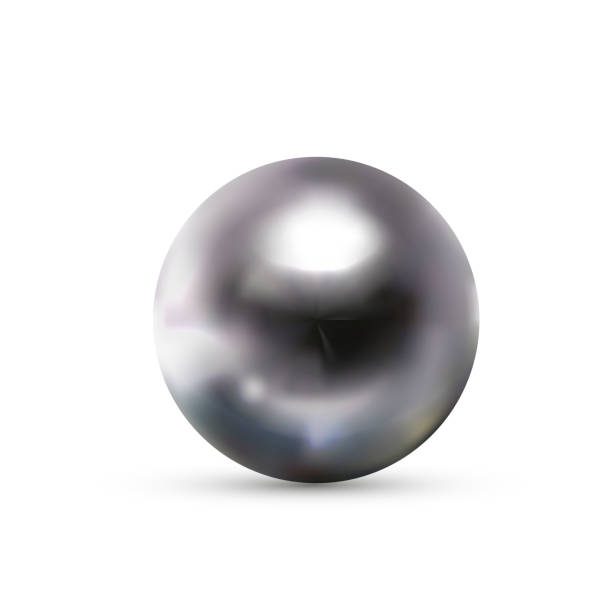
Precision machining processes are pivotal in various industries, from aerospace to automotive, where accuracy and efficiency are paramount. The components used in these processes significantly impact the final product’s quality and performance. Among these components, aluminum balls play a critical role. Known for their lightweight and corrosion-resistant properties, aluminum balls are integral in achieving the desired precision and smooth operation in machining applications.
Understanding Aluminum Balls in Machining
Aluminum balls are highly valued in precision machining for several reasons. Their unique properties make them suitable for a variety of applications, ranging from bearing assemblies to valves and flow meters. Here are some key characteristics:
- Lightweight: Aluminum is significantly lighter than many other metals, reducing the overall weight of assemblies.
- Corrosion Resistance: Aluminum naturally forms a protective oxide layer, enhancing its resistance to corrosion.
- High Strength-to-Weight Ratio: Despite its lightness, aluminum offers excellent strength, making it ideal for demanding applications.
- Thermal Conductivity: Aluminum’s superior thermal conductivity ensures efficient heat dissipation, crucial in high-speed machining processes.
Incorporating aluminum balls into machining processes can lead to significant improvements in performance and durability, particularly in environments where weight and resistance to harsh conditions are critical.
Applications of Aluminum Balls in Precision Machining
Bearing Assemblies
Aluminum balls are commonly used in bearing assemblies due to their light weight and excellent wear resistance. These properties help in reducing friction and extending the life of the bearings, especially in high-speed applications. The use of aluminum balls ensures smooth and efficient operation, which is essential in precision machining.
Valves and Pumps
In fluid control systems, aluminum balls play a crucial role in valves and pumps. Their corrosion-resistant nature makes them ideal for use in environments exposed to various chemicals and fluids. They ensure reliable performance, reducing maintenance needs and enhancing the longevity of the equipment.
Flow Meters
Flow meters rely on the precision and consistency of aluminum balls to measure the flow of liquids and gases accurately. The lightweight and durable nature of these balls make them perfect for use in these devices, ensuring accurate readings and efficient operation over long periods.
Advantages of Using Aluminum Balls
The adoption of aluminum balls in precision machining offers several advantages:
- Enhanced Efficiency: Their lightweight nature reduces the energy required for movement, leading to more efficient operation.
- Cost-effectiveness: Aluminum balls are generally more affordable than other materials like stainless steel, offering a cost-effective solution without compromising quality.
- Reduced Maintenance: The corrosion resistance and durability of aluminum balls mean less frequent replacements and repairs.
The use of aluminum balls in machining processes not only enhances the overall performance but also contributes to significant cost savings in the long run. For more information on their properties and applications, visit this detailed resource.
Conclusion
Aluminum balls have established themselves as indispensable components in precision machining processes. Their unique properties, such as lightweight, corrosion resistance, and high strength-to-weight ratio, make them a superior choice for numerous applications, from bearings to flow meters. As industries continue to demand higher precision and efficiency, the role of aluminum balls in machining will undoubtedly expand, ensuring the delivery of high-quality, reliable, and cost-effective solutions.