
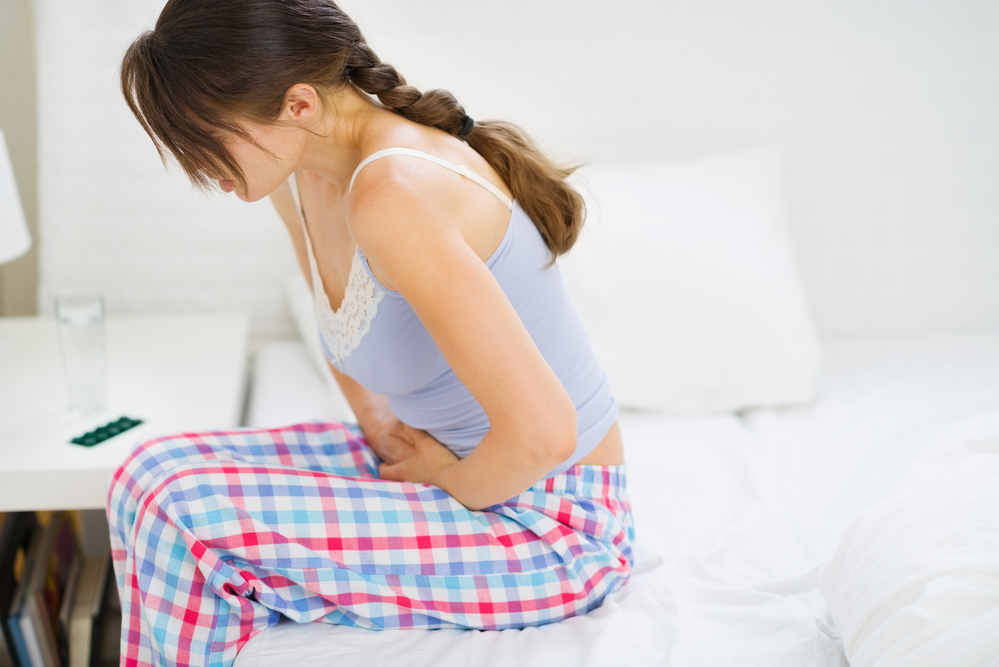
Endometriosis is a chronic and often debilitating condition that affects millions of women worldwide. It is a complex and multifaceted disease that can have a significant impact on a woman’s quality of life. Despite its prevalence, endometriosis remains poorly understood, and many women struggle to find effective treatment options. In this article, we will explore the various endometriosis treatments available and examine their success rates.
Understanding Endometriosis
Endometriosis is a condition in which tissue similar to the lining of the uterus grows outside of the uterus, leading to inflammation, scarring, and adhesions. This can cause a range of symptoms, including pelvic pain, heavy bleeding, and infertility. The exact cause of endometriosis is still unknown, but it is believed to be related to hormonal imbalances and genetic predisposition.
Diagnosing Endometriosis
Diagnosing endometriosis can be challenging, as the symptoms are often similar to those of other conditions. A diagnosis is typically made through a combination of physical examination, medical history, and imaging tests such as ultrasound or MRI. Laparoscopy, a minimally invasive surgical procedure, is often used to confirm the diagnosis and rule out other conditions.
Treatment Options
There are several treatment options available for endometriosis, including medication, surgery, and lifestyle changes. Medications such as pain relievers and hormonal therapies can help manage symptoms, while surgery may be necessary to remove endometrial tissue or repair damaged organs. Lifestyle changes, such as diet and exercise, can also help alleviate symptoms and improve quality of life.
Medications for Endometriosis
Medications are often the first line of treatment for endometriosis. Pain relievers such as ibuprofen or acetaminophen can help manage pain and inflammation, while hormonal therapies such as birth control pills or GnRH agonists can help regulate menstrual cycles and reduce symptoms. However, medications may not be effective for all women, and surgery may be necessary to achieve symptom relief.
Surgical Options
Surgery is often necessary to remove endometrial tissue or repair damaged organs. Laparoscopy is a minimally invasive surgical procedure that allows for precise removal of endometrial tissue and repair of damaged organs. In some cases, a hysterectomy (removal of the uterus) may be necessary to alleviate severe symptoms.
Lifestyle Changes for Endometriosis
Lifestyle changes can also help alleviate symptoms and improve quality of life. A healthy diet rich in fruits, vegetables, and whole grains can help reduce inflammation and alleviate symptoms. Regular exercise, such as yoga or walking, can also help reduce stress and improve overall health. Additionally, stress management techniques such as meditation or deep breathing can help reduce stress and alleviate symptoms.
While there is no cure for endometriosis, there are many effective treatment options available. By understanding the various endometriosis treatments and their success rates, women can make informed decisions about their care and improve their quality of life. It is essential to work with a healthcare provider to determine the best course of treatment and develop a personalized treatment plan.