
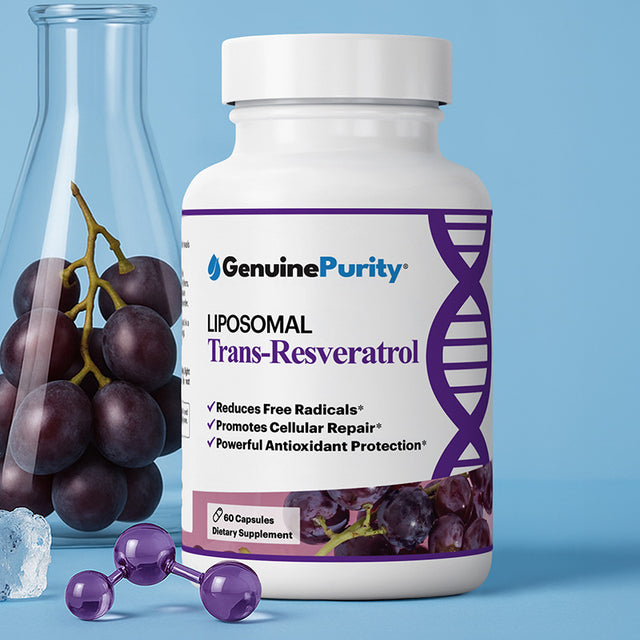
Resveratrol has become a staple in the world of nutraceuticals, praised for its antioxidant capacity, cardiovascular support, and potential anti-aging effects. As scientific research deepens, the market now offers a range of formulations, from traditional tablets to advanced liposomal delivery systems. Understanding how these options differ in bioavailability, dosage flexibility, and overall efficacy is essential for anyone seeking the most effective trans-resveratrol supplement. This article examines the core distinctions between liposomal trans resveratrol and conventional formats, helping readers make an informed choice.
What Sets Liposomal Delivery Apart?
Liposomal technology encapsulates the active compound within phospholipid vesicles, creating a protective shield that enhances absorption through the gastrointestinal tract. Key benefits include:
- Improved bioavailability, studies suggest up to 3-5 times higher plasma levels compared with standard capsules.
- Reduced degradation by stomach acid, preserving the integrity of trans resveratrol.
- Potential for lower dosing while achieving similar therapeutic outcomes.
Standard Resveratrol Options
Traditional formulations remain popular due to familiarity, cost-effectiveness, and ease of distribution. Common forms include:
Resveratrol Tablets and Capsules
- Typical dosages range from 250″?mg to 500″?mg per tablet (resveratrol 500mg).
- Manufactured with binders and fillers that may slow release.
- Widely available as resveratrol capsules or resveratrol pills.
High-Dose Variants
- Products offering 1000″?mg per serving (resveratrol 1000mg) aim to compensate for lower absorption.
- Higher pill counts may affect compliance.
Comparative Factors
Bioavailability
Liposomal liposomal resveratrol delivers the molecule directly to cell membranes, bypassing many of the barriers that limit conventional resveratrol tablets. In contrast, standard capsules often see less than 20″?% of the ingested dose reaching systemic circulation.
Dosage Flexibility
Because of its enhanced absorption, a liposomal product may achieve desired plasma concentrations with a 250″?mg dose, whereas a non-liposomal formula might require 500″?mg or more. This can translate into fewer pills per day and potentially lower long-term cost.
Stability and Shelf Life
The phospholipid shell protects the active ingredient from oxidation, a common issue with pure trans-resveratrol. Standard powders can degrade over time, especially when exposed to heat or light.
Consumer Preference
- Those seeking the best trans resveratrol supplement often prioritize scientific backing and absorption data.
- Budget-conscious shoppers may opt for traditional resveratrol supplement forms.
- Individuals with sensitive stomachs benefit from the gentler delivery of liposomal capsules.
Practical Considerations When Choosing a Product
- Label Transparency: Look for clear dosing information and third-party testing results.
- Ingredient Purity: High-grade trans-resveratrol (often >99″?% purity) is preferable to mixed isomers.
- Form Factor: If swallowing large tablets is difficult, trans resveratrol capsules or liquid liposomal preparations may be better.
- Price per Effective Dose: Calculate cost based on the amount of active resveratrol that actually enters the bloodstream, not just the listed milligram count.
Conclusion
The decision between liposomal trans resveratrol and conventional formats hinges on personal health goals, budget, and tolerance for pill size. Liposomal technology offers a compelling advantage in bioavailability and stability, making it a strong candidate for those pursuing the best resveratrol supplement experience. However, standard resveratrol tablets remain a viable option for individuals who prioritize cost and are comfortable with higher daily dosages. By weighing the factors outlined above, consumers can select a formulation that aligns with their lifestyle and maximizes the health benefits of this powerful polyphenol.