
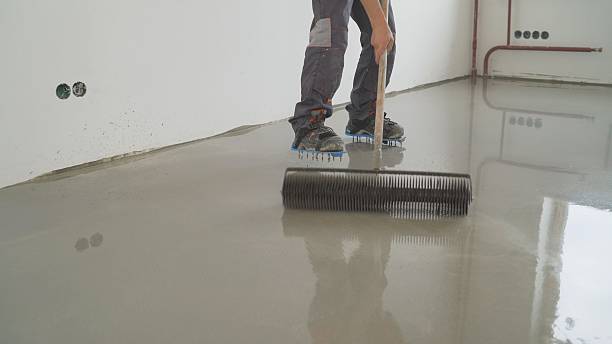
Choosing the right concrete coating solution can dramatically extend the lifespan of a floor, improve safety, and enhance aesthetic appeal. Whether the project involves a residential garage, a commercial warehouse, or an industrial facility, the coating must meet specific performance criteria, adhere to local building codes, and be applied by skilled professionals. This article outlines the key factors to consider when evaluating concrete coating providers in your area, explains the most common coating systems, and offers practical guidance for making an informed decision.
Understanding Concrete Coating Systems
Concrete coatings are not a one-size-fits-all product. Different environments demand different characteristics such as chemical resistance, slip resistance, or UV stability. The most widely used systems include:
- Epoxy Coatings – Provide high compressive strength, excellent chemical resistance, and a glossy finish. Ideal for garages, workshops, and areas with heavy traffic.
- Polyurethane Coatings – Offer superior UV resistance and flexibility, making them suitable for exterior applications and areas exposed to sunlight.
- Polyaspartic Coatings – Cure quickly, resist stains, and maintain a high-gloss appearance. Often chosen for projects with tight timelines.
- Penetrating Sealers – Soak into the concrete to block moisture and prevent efflorescence without changing the surface’s appearance. Common for decorative or historic concrete.
Each system has distinct preparation, application, and maintenance requirements. For a deeper dive into the technical differences, Read more about this topic.
Key Evaluation Criteria
1. Experience and Technical Expertise
Look for providers with a proven track record in the specific coating type you need. Experience translates into:
- Accurate surface preparation, which is critical for adhesion.
- Knowledge of proper mixing ratios and temperature controls.
- Ability to troubleshoot common issues such as bubbling or delamination.
2. Certification and Training
Many manufacturers require applicators to complete certification programs. Certified applicators are more likely to follow best practices and stay current with industry standards. Verify that the team holds relevant certifications before proceeding.
3. Material Quality
The durability of a coating is directly linked to the quality of the raw materials. High-grade epoxy, polyurethane, or polyaspartic products typically offer longer warranty periods and better performance under stress. When researching options, Learn more in this detailed guide.
4. Project Management Process
A transparent workflow helps keep the project on schedule and within budget. Consider whether the provider offers:
- Detailed written estimates outlining labor, materials, and contingency costs.
- Clear timelines with milestones for surface preparation, coating application, and curing.
- Post-installation support, such as maintenance recommendations and warranty claims handling.
Assessing the Scope of Work
Before contacting a coating specialist, conduct a preliminary assessment of the concrete surface. Document the following:
- Square footage and layout of the area.
- Existing condition: cracks, stains, moisture intrusion, or previous coatings.
- Desired finish: matte, satin, or high gloss; color preferences; and any decorative elements.
- Environmental factors: exposure to chemicals, sunlight, temperature fluctuations, or heavy equipment.
Providing this information up front enables the contractor to prepare an accurate proposal and reduces the likelihood of unexpected changes during the project. For additional guidance on preparing a scope, Explore further insights here.
Safety and Compliance Considerations
Concrete coating projects must comply with occupational safety regulations and local building codes. Key points include:
- Ventilation requirements for solvent-based products.
- Personal protective equipment (PPE) for applicators, such as respirators, gloves, and eye protection.
- Slip-resistance standards, especially for flooring in commercial or public spaces.
- Proper disposal of waste materials in accordance with environmental regulations.
Choosing a contractor who adheres to these standards helps protect workers, occupants, and the environment. Find additional information here.
Cost Factors and Budget Planning
While price is an important consideration, the lowest bid does not always deliver the best value. Evaluate cost components such as:
- Surface preparation (e.g., shot blasting, grinding, crack repair).
- Primer and base coat layers.
- Topcoat material and finish options.
- Labor rates, which can vary based on expertise and local market conditions.
- Warranty coverage and what it includes.
Request detailed line-item estimates from multiple providers and compare them against the expected service life of the coating. A higher-quality system may have a larger upfront cost but lower long-term maintenance expenses.
Making the Final Decision
After gathering proposals, use the following checklist to select the most suitable concrete coating provider:
- Confirm the contractor’s experience with the specific coating system you require.
- Verify certifications, insurance, and compliance with safety regulations.
- Assess the quality of materials and warranty terms offered.
- Review the proposed project timeline and communication plan.
- Compare detailed cost breakdowns and evaluate overall value.
By methodically reviewing each factor, you can ensure the chosen provider delivers a durable, aesthetically pleasing finish that meets the functional demands of the space.
Conclusion
Investing in a professional concrete coating is a strategic decision that protects infrastructure, enhances safety, and adds visual appeal. Understanding the different coating technologies, evaluating provider expertise, and scrutinizing project details are essential steps toward a successful outcome. With careful planning and the right partner, the finished floor will serve reliably for years to come.