
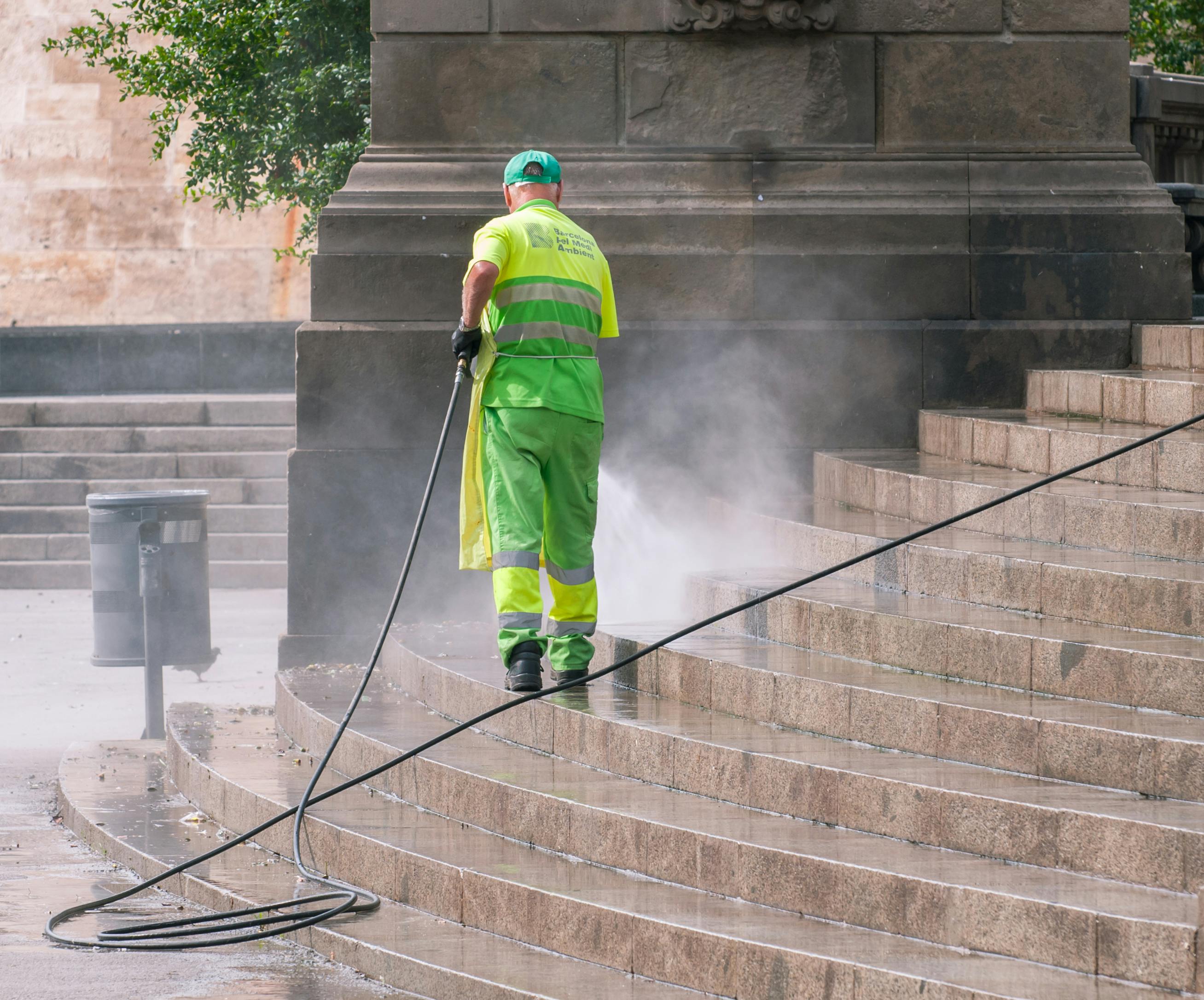
Residential pressure cleaning is a highly effective method for revitalizing outdoor surfaces, from driveways and patios to siding and deck boards. By using high-pressure water streams, accumulated dirt, mold, algae, and other contaminants can be removed quickly, extending the lifespan of materials and enhancing curb appeal. This article outlines the essential considerations, benefits, and best practices for homeowners who want to maintain clean, safe, and attractive outdoor spaces.
Why Pressure Cleaning Matters
Outdoor surfaces are constantly exposed to weather, traffic, and biological growth. Over time, these elements can cause:
- Slippery conditions due to algae or moss, increasing the risk of falls.
- Staining and discoloration that detracts from a property’s visual appeal.
- Accelerated wear of concrete, wood, and brick, leading to costly repairs.
- Reduced property value because of neglected exterior maintenance.
Regular pressure cleaning addresses these issues before they become major problems. For a deeper understanding of the long-term advantages, Read more about this topic.
Key Benefits of Residential Pressure Cleaning
Enhanced Aesthetic Appeal
A clean surface instantly improves the look of a home, making it more inviting for guests and potential buyers.
Improved Safety
Removing slippery algae and moss reduces the likelihood of accidents on walkways, decks, and pool areas.
Extended Material Longevity
By eliminating corrosive contaminants, pressure cleaning helps preserve the integrity of concrete, stone, wood, and metal components.
Environmental Considerations
When performed correctly, pressure cleaning can use less water than traditional scrubbing methods and often requires fewer chemical cleaners.
To explore how these benefits translate into real-world results, Learn more in this detailed guide.
Choosing the Right Pressure Cleaning Method
Selecting the appropriate pressure level and nozzle type is crucial for achieving optimal results without damaging surfaces.
- Low Pressure (500-1200 psi): Ideal for delicate surfaces such as painted wood, soft stone, and roof shingles.
- Medium Pressure (1200-2500 psi): Suitable for concrete driveways, brick patios, and heavily soiled decks.
- High Pressure (2500-4000 psi): Best for industrial-grade cleaning tasks, such as removing stubborn oil stains from garage floors.
Understanding the correct combination of pressure and nozzle angle can prevent surface erosion and ensure a uniform clean. For additional guidance on selecting equipment settings, Explore further insights here.
Preparing Your Property for Service
Proper preparation maximizes efficiency and safety during the cleaning process.
- Clear the area of furniture, toys, and loose items.
- Cover delicate plants or electrical outlets with plastic sheeting.
- Seal any cracks or gaps in concrete to prevent water intrusion.
- Inform household members about the scheduled cleaning to avoid accidental exposure.
Following these steps helps ensure that the pressure cleaning operation proceeds smoothly and without unintended damage. For a comprehensive pre-clean checklist, Find additional information here.
Maintenance Tips After Cleaning
To preserve the freshly cleaned appearance, adopt a routine maintenance plan:
- Sweep surfaces regularly to remove debris before it embeds.
- Apply a breathable sealant to concrete or stone to repel future stains.
- Trim vegetation near walls and decks to reduce mold and algae growth.
- Schedule periodic pressure cleaning, typically once a year for most homes.
These simple practices extend the benefits of a single cleaning session and keep outdoor areas looking their best throughout the year.
Safety and Environmental Considerations
While pressure cleaning is effective, it must be performed responsibly:
- Personal Protective Equipment (PPE): Wear safety goggles, gloves, and non-slip footwear.
- Water Runoff Management: Direct runoff away from storm drains to prevent contamination of waterways.
- Chemical Use: If detergents are required, select biodegradable options and follow label instructions.
- Noise Levels: Be mindful of neighbors and local ordinances regarding equipment noise.
Adhering to these guidelines protects both the homeowner and the surrounding environment. For a deeper dive into responsible cleaning practices, Read more about this topic.
Conclusion
Residential pressure cleaning offers a practical solution for maintaining attractive, safe, and durable outdoor spaces. By understanding the appropriate techniques, preparing the property correctly, and following post-cleaning maintenance routines, homeowners can enjoy lasting results while minimizing environmental impact. Incorporating regular pressure cleaning into a home-care schedule not only preserves the structural integrity of exterior surfaces but also contributes to overall property value and neighborhood aesthetics.