
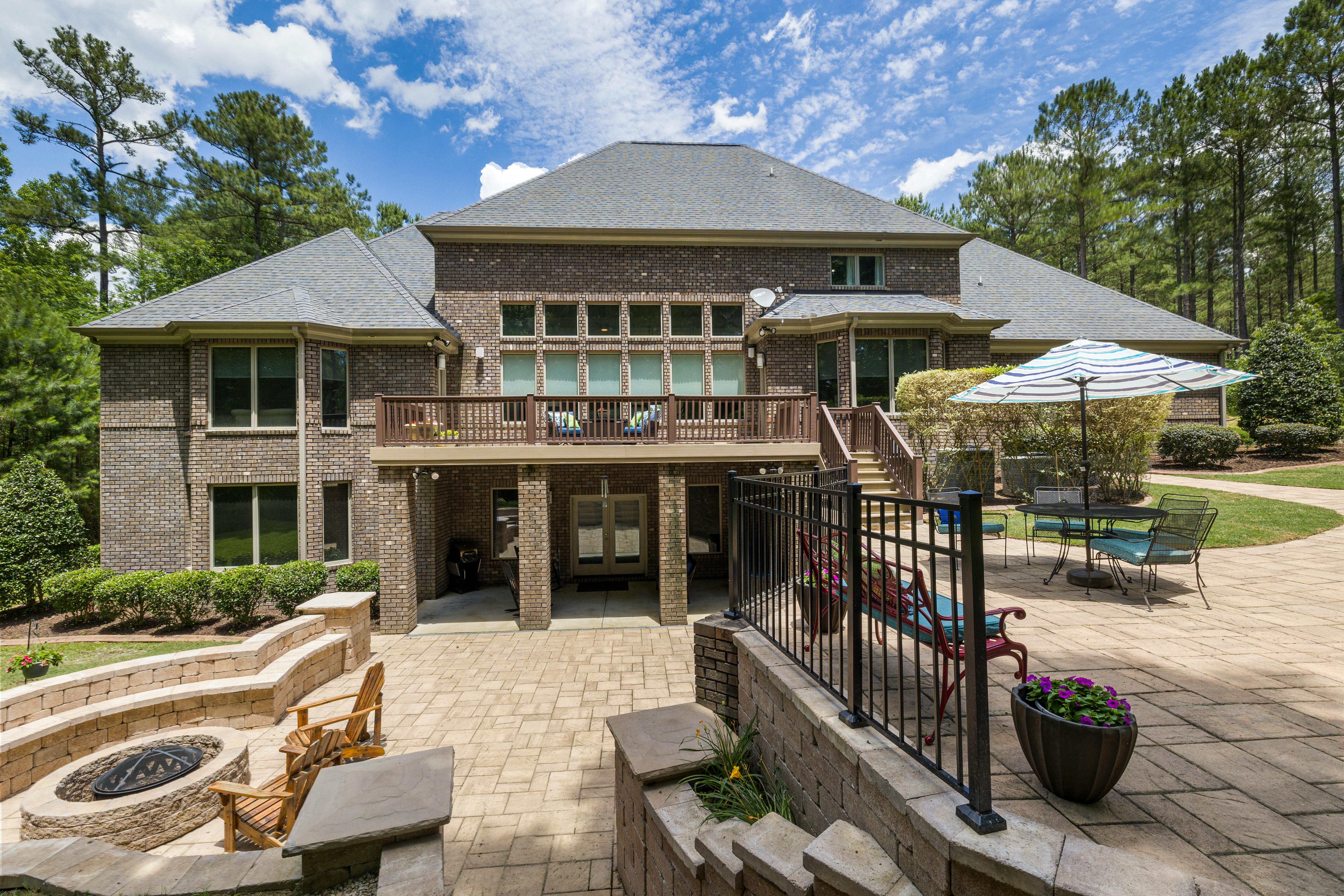
In today’s fast-paced world, the concept of home has evolved from a mere shelter to a personalized sanctuary that reflects one’s lifestyle, values, and aspirations. The increasing demand for bespoke home design underscores a shift towards creating living spaces that are not only functional but also deeply personalized. Tailoring homes to fit individual lifestyles involves a deep understanding of personal preferences, efficient use of space, and a keen eye for detail. This article delves into the nuances of bespoke home design and how it aligns with modern living requirements.
Understanding Bespoke Home Design
Bespoke home design goes beyond traditional architectural practices, focusing on the personalization of every detail within a home. This approach ensures that each element of the home resonates with the owner’s unique lifestyle and preferences.
Key Features of Bespoke Home Design
- Customization: Every aspect, from floor plans to finishes, is tailored to the homeowner’s specifications.
- Flexibility: Designs are adaptable to future changes, accommodating evolving needs and preferences.
- Integration: Seamless blending of technology and design to enhance functionality and comfort.
For those interested in pursuing a tailored home design, it is essential to work with professionals who understand the intricacies of customization. Discover expert strategies here.
Designing for Lifestyle: Key Considerations
When designing a home tailored to lifestyle, several factors must be considered to ensure the space meets the unique needs of its inhabitants.
Space Utilization and Layout
Efficient space utilization is crucial in bespoke home design. The layout should reflect the homeowner’s daily activities and make optimal use of available space. Learn about our tailored solutions for maximizing space efficiency without compromising on aesthetics.
Material Selection and Sustainability
Material selection plays a pivotal role in bespoke home design. Choosing sustainable and high-quality materials ensures longevity and aligns with eco-friendly living. Homeowners increasingly seek designs that incorporate green building practices. Explore advanced guides and tips on sustainable material selection.
Incorporating Technology
Technology integration is a hallmark of modern bespoke homes. Smart home features, energy-efficient systems, and automated solutions are crucial for enhancing comfort and convenience.
Smart Home Features
- Automated Lighting and Climate Control: Enhances energy efficiency and personal comfort.
- Security Systems: Advanced surveillance and monitoring for peace of mind.
- Home Entertainment: Integrated audio-visual systems for superior entertainment experiences.
A well-planned tech integration can significantly enhance the functionality of a bespoke home. Find out more about this approach to smart home technology.
The Role of Professionals in Bespoke Design
Engaging with experienced professionals is critical when embarking on a bespoke home design journey. Their expertise ensures that the design not only meets aesthetic desires but also adheres to structural and regulatory standards.
Professionals offer valuable insights into the latest design trends and technological advancements. They help translate the homeowner’s vision into a practical and feasible plan. Discover expert strategies here to engage with professionals effectively.
Conclusion
Bespoke home design represents the pinnacle of personalization in residential architecture. By focusing on individual needs and preferences, it creates spaces that are both functional and reflective of the owner’s lifestyle. As design trends continue to evolve, the emphasis on personalized, sustainable, and technologically integrated homes is likely to grow. For those considering this path, understanding the essentials of bespoke design and collaborating with skilled professionals will be key to creating a home that truly embodies one’s personal essence.