
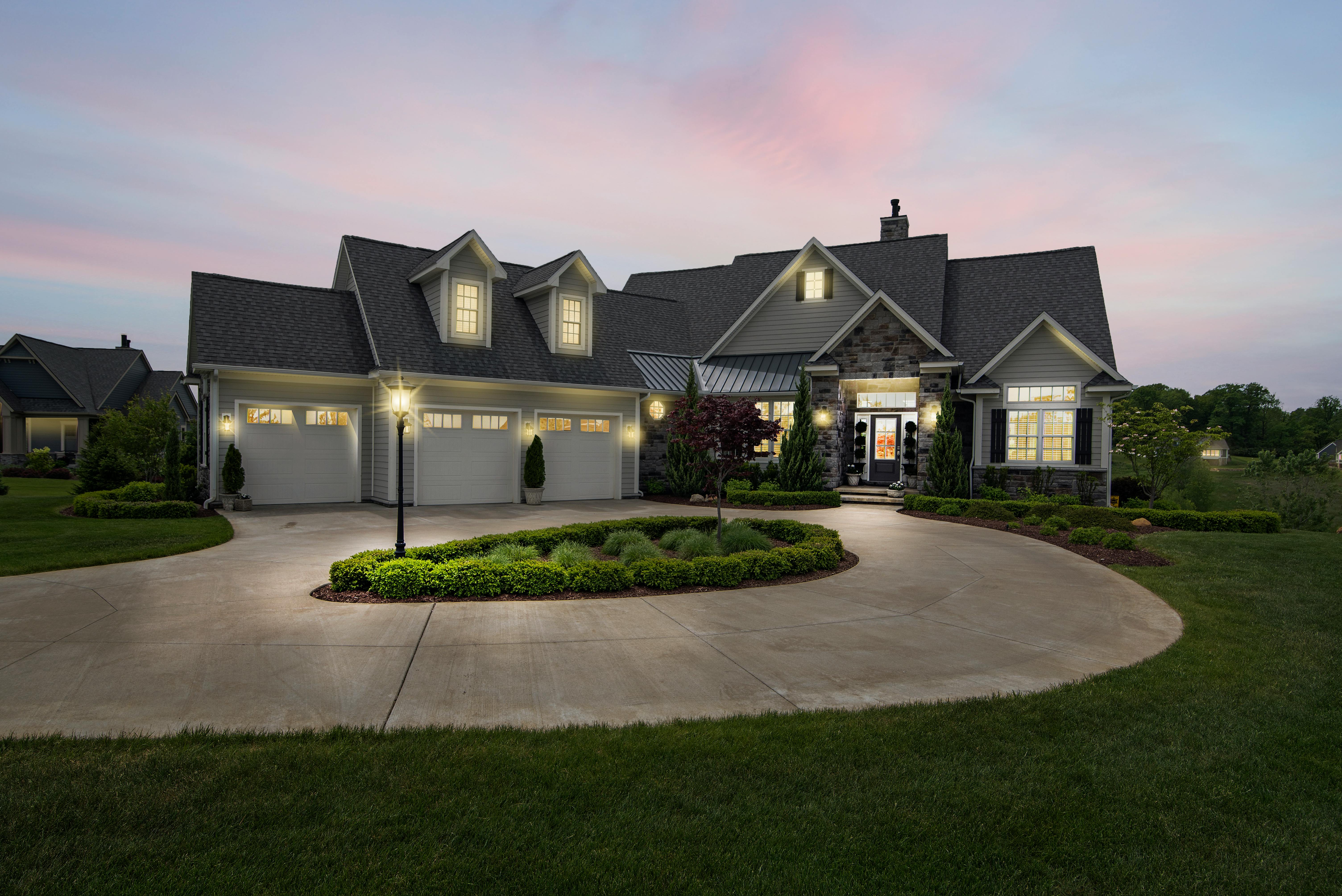
In the hustle and bustle of modern life, many individuals seek solace and rejuvenation in the natural world. A growing trend that embraces this yearning is mountain home architecture, which harmonizes human living spaces with the serene and majestic landscapes of mountainous regions. This architectural style not only enhances the aesthetic appeal of a dwelling but also promotes sustainable living by integrating natural elements and materials. The allure of mountain homes lies in their ability to offer tranquility while blending seamlessly with their surroundings.
The Essence of Mountain Home Architecture
Mountain home architecture is characterized by its emphasis on natural materials, expansive views, and a deep connection with the surrounding environment. These homes are designed to complement the rugged beauty of their locations, often featuring:
- Use of Natural Materials: Stone, wood, and other locally sourced materials are commonly used to create a rustic yet elegant appearance.
- Open Floor Plans: These designs maximize natural light and provide unobstructed views of the landscape.
- Energy Efficiency: Incorporating sustainable building practices and energy-efficient systems is a key focus.
For those interested in adopting these principles, read more about this topic to discover how these elements contribute to a harmonious living experience.
Design Elements and Aesthetic Appeal
Integrating with the Environment
Mountain homes are often situated in locations that require thoughtful design to minimize environmental impact. Key considerations include:
- Site Orientation: Positioning the home to capture the best views while reducing exposure to harsh weather conditions.
- Vegetation Preservation: Maintaining existing trees and plant life to preserve the natural landscape.
Designing with these elements in mind ensures the home coexists peacefully with its surroundings. To learn more in this detailed guide about sustainable mountain home design, explore further insights here.
Embracing Modern Elegance
While retaining a rustic charm, many mountain homes incorporate modern architectural elements. This fusion of styles results in homes that are both functional and visually stunning. Features often include:
- Large Windows: Floor-to-ceiling windows are a common feature, offering panoramic views and enhancing natural light.
- Minimalist Interiors: Clean lines and open spaces create a sense of calm and simplicity.
For those interested in modern mountain home designs, explore further insights here to find additional information about innovative design techniques.
Benefits of Mountain Living
The popularity of mountain homes is not only due to their aesthetic appeal but also the unique lifestyle they offer. Some benefits of mountain living include:
- Health and Well-being: Clean air, outdoor activities, and a peaceful environment contribute to overall wellness.
- Community and Privacy: Mountain communities often foster a sense of camaraderie while providing ample privacy.
To find additional information on the lifestyle benefits of mountain home living, explore further insights here.
Conclusion
Embracing nature with mountain home architecture offers more than aesthetic beauty; it provides a sanctuary from the chaos of urban life. By prioritizing sustainable practices and integrating modern design elements, these homes offer a unique blend of comfort and environmental consciousness. Whether one is drawn to the rustic charm or the modern elegance of mountain homes, the connection to nature remains at the heart of this architectural style. For those considering this lifestyle, explore further insights here to make an informed decision.