
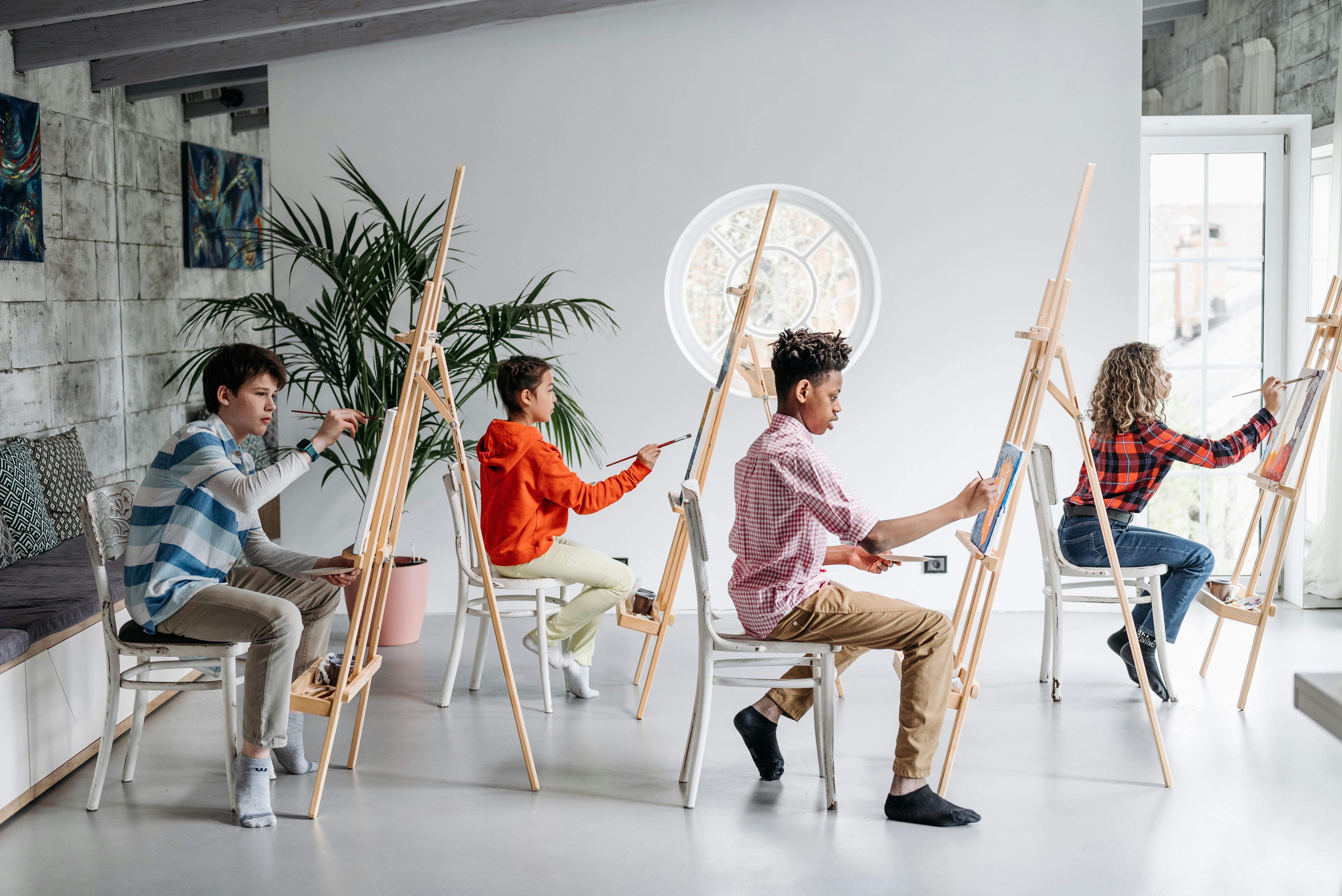
Art programs in elementary education play a pivotal role in nurturing the innate creativity and imagination of young students. These programs are designed not only to introduce children to various art forms but also to build critical skills such as problem-solving, collaboration, and emotional expression. In many educational settings, especially in private school arts program Concord MA, the integration of art into the curriculum is seen as essential to developing well-rounded individuals. This article explores the various facets of art programs for elementary students and their impact on early education.
The Importance of Art Education in Elementary Schools
Art education is a cornerstone of comprehensive learning, offering numerous benefits that extend beyond the classroom. Here are some key advantages:
- Cognitive Development: Engaging in art activities enhances cognitive abilities such as critical thinking, spatial awareness, and memory.
- Emotional Intelligence: Art allows students to express their feelings and ideas, aiding in emotional development and self-awareness.
- Social Skills: Collaborative art projects foster teamwork, communication, and respect for diverse perspectives.
Types of Art Programs for Elementary Students
Art programs can vary widely, offering students a range of creative outlets. Some prominent types include:
Visual Arts
Programs focusing on visual arts introduce students to drawing, painting, sculpture, and other media. These activities encourage visual communication and appreciation of aesthetics. Schools with robust private school visual arts Concord MA programs emphasize the development of technical skills alongside creativity.
Performing Arts
Performing arts programs encompass drama, music, and dance, providing students with opportunities to perform and engage with audiences. These activities are instrumental in building confidence and public speaking skills.
Integrated Arts
Some schools adopt integrated arts programs that combine different art forms, allowing students to explore various disciplines simultaneously. This approach often leads to innovative thinking and a more cohesive educational experience.
Choosing the Right Art Program
Selecting an appropriate art program for elementary students requires considering several factors:
- Curriculum: Evaluate the comprehensiveness of the curriculum and its alignment with educational goals.
- Resources: Assess the availability of materials and facilities necessary to support diverse artistic activities.
- Qualified Instructors: Experienced teachers with a passion for art can significantly enhance the learning experience.
Parents often seek programs with a strong reputation, such as those found in private middle school art program settings, where personalized attention and rich resources are typically available.
The Impact of Art Programs on Student Development
Engagement in art programs for elementary students has been shown to have a profound impact on their overall development. Studies indicate that students involved in the arts perform better academically and are more likely to participate in community activities. The skills acquired through art education, such as perseverance and adaptability, are invaluable in both personal and professional contexts.
Additionally, art programs often serve as a platform for students to explore their identities and develop a sense of belonging. This is particularly true in environments where art is integrated into the broader educational experience, such as in a private school arts program.
Conclusion
Art programs for elementary students are an essential component of modern education, offering far-reaching benefits that extend into all areas of life. By fostering creativity, enhancing cognitive and social skills, and providing a platform for expression, these programs play a critical role in shaping the leaders of tomorrow. As educational institutions recognize the value of art, the continued support and expansion of these programs will undoubtedly enrich future generations.