
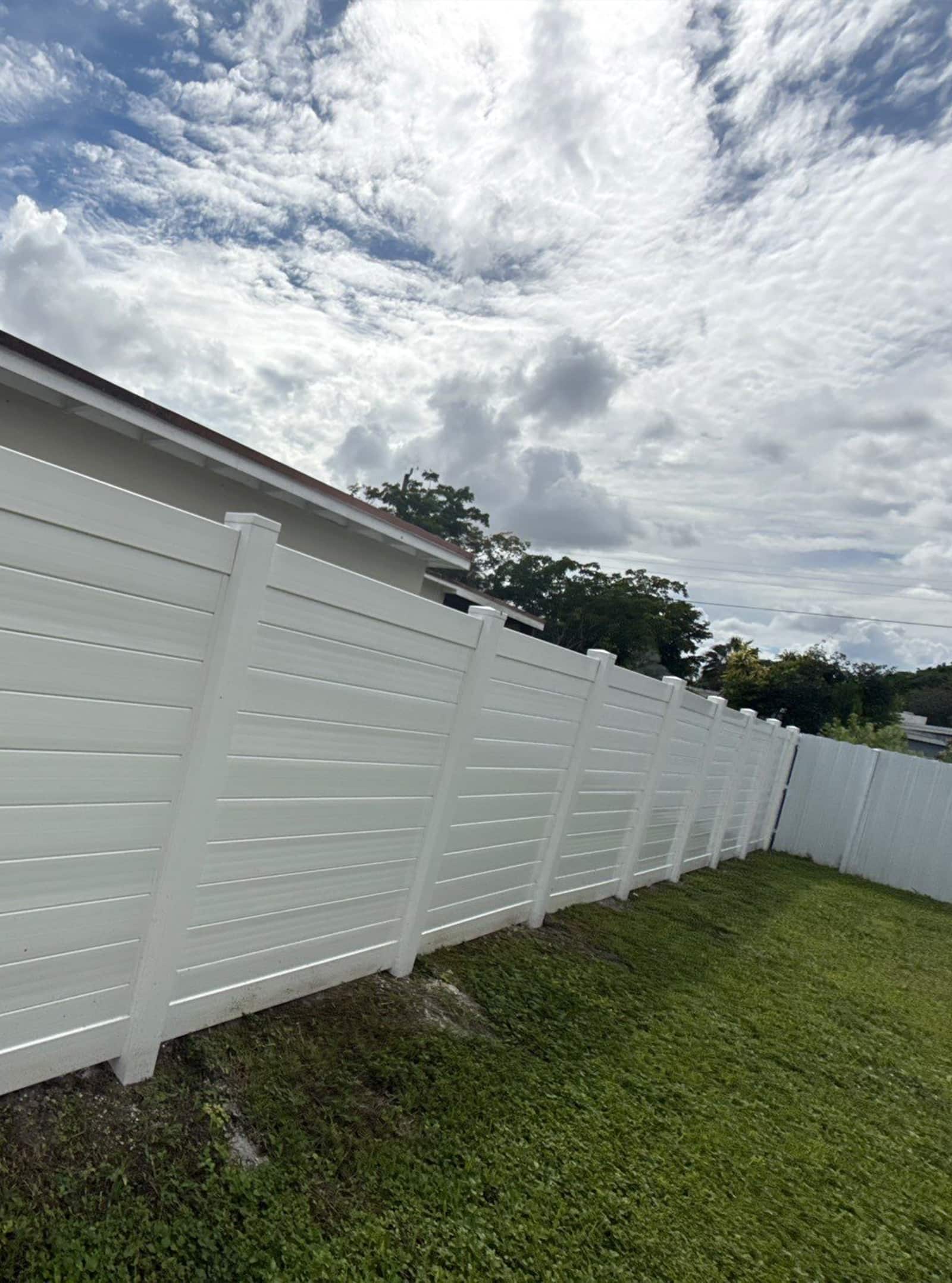
In today’s world, the aesthetic appeal of a property is as important as its functional utility. Landscape construction has become a crucial aspect of property enhancement, offering a blend of beauty and practicality. Whether it is a residential area or a commercial space, well-designed landscapes can significantly boost property value and provide an inviting atmosphere. This article explores the various facets of landscape construction services and how they can transform your property into a visual masterpiece.
The Importance of Landscape Construction
Landscape construction goes beyond mere gardening. It involves a strategic approach to design and implementation that enhances the overall look and feel of the property. Here are some key reasons why investing in landscape construction is beneficial:
- Increased Property Value: A well-maintained landscape can enhance the curb appeal of a property, thereby increasing its market value.
- Environmental Benefits: Strategic landscaping can aid in reducing soil erosion, improving air quality, and promoting biodiversity.
- Functional Spaces: Landscape construction can create functional outdoor spaces for entertainment, relaxation, and recreation.
- Energy Efficiency: Properly planned landscapes can contribute to energy savings by providing natural cooling through shade and windbreaks.
To delve deeper into the significance of landscape construction, explore further insights here.
Key Elements of Landscape Construction Services
Design and Planning
The foundation of any successful landscape project lies in meticulous planning and design. This phase involves understanding the client’s vision, assessing the site conditions, and creating a blueprint that aligns with the desired outcome. Professionals in landscape construction often use advanced software to provide a visual representation of the project.
Hardscaping and Softscaping
Landscape construction is a blend of hardscaping and softscaping elements:
- Hardscaping: This includes the installation of non-living elements such as patios, walkways, fences, and retaining walls. Hardscaping provides structure and functionality to the landscape.
- Softscaping: This involves the selection and planting of vegetation like trees, shrubs, flowers, and grass. Softscaping brings life and color to the landscape.
For more detailed information on these components, learn more in this detailed guide.
Choosing the Right Materials and Features
The choice of materials and features can significantly influence the success of a landscape project. Considerations include:
- Durability and Maintenance: Selecting materials that withstand the local climate and require minimal upkeep ensures long-term sustainability.
- Aesthetic Appeal: Incorporating features like water fountains, lighting, and sculptures can enhance the visual appeal and create focal points in the landscape.
- Eco-Friendliness: Opting for sustainable materials and features that promote water conservation and energy efficiency contributes to environmental preservation.
To make informed decisions about materials and features, read more about this topic.
Maximizing the Potential of Landscape Construction
Maximizing the benefits of landscape construction requires a strategic approach. Here are some tips to ensure the success of landscape projects:
- Integrate Technology: Use smart irrigation systems and landscape lighting to enhance functionality and efficiency.
- Consider Seasonal Changes: Plan for year-round interest by including a variety of plants that bloom at different times.
- Regular Maintenance: Implement a maintenance schedule to keep the landscape in top condition and address any issues promptly.
For additional information on optimizing landscape construction, find additional information here.
In conclusion, landscape construction is a valuable investment that can transform any property into a stunning and functional space. By understanding the key elements and making informed choices, property owners can enjoy a landscape that not only enhances the visual appeal but also provides numerous environmental and economic benefits.