
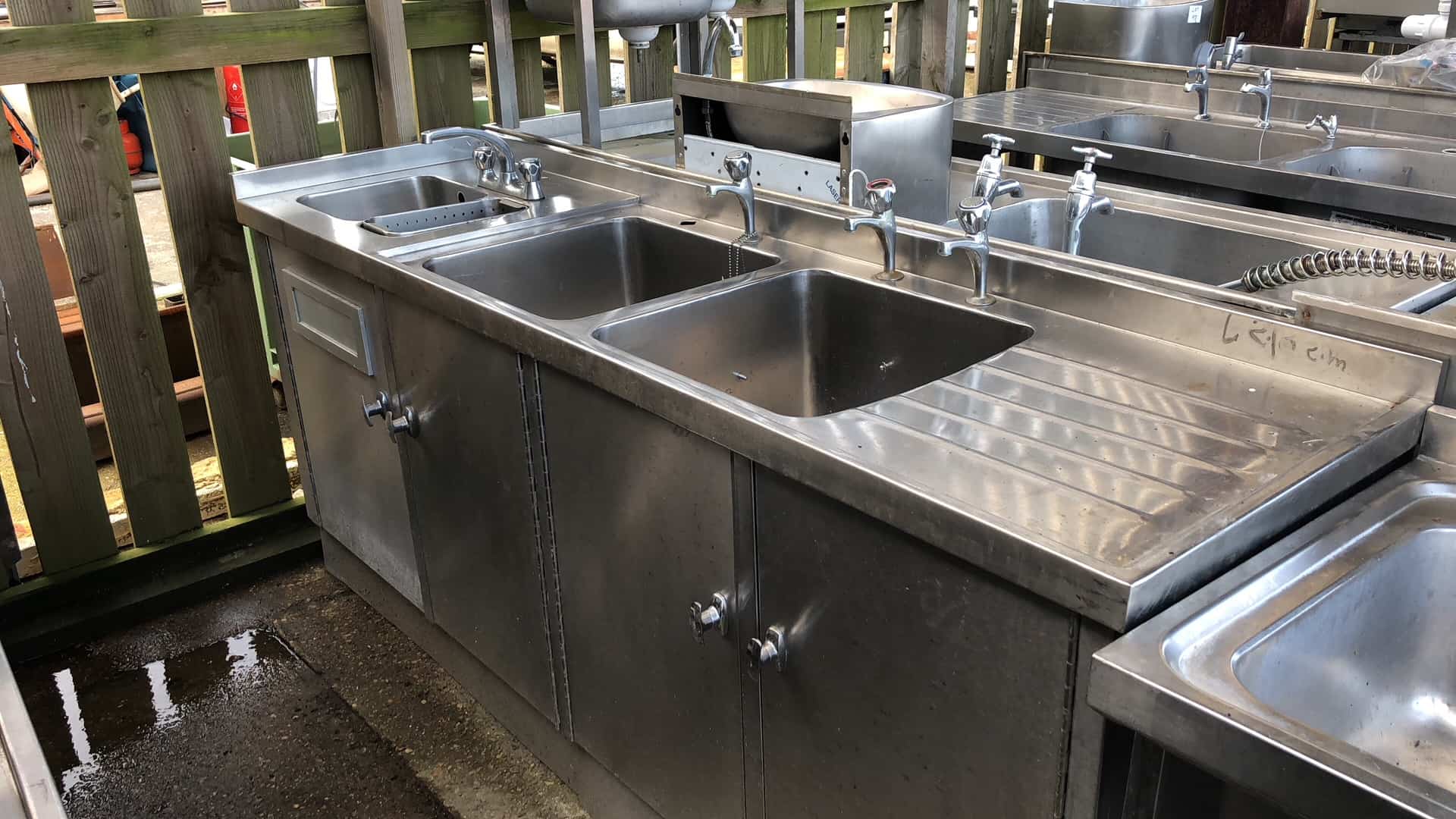
In the fast-paced world of food trucks, having the right equipment is crucial for efficient operations. One essential piece of equipment is the small 3 compartment sink. These sinks are not just a health department requirement but a vital component for maintaining hygiene and streamlining workflow. However, choosing the right sink can be challenging given the variety of options available. This article provides insights into selecting the best small 3 compartment sink for food trucks, ensuring compliance, efficiency, and durability.
Understanding the Importance of a 3 Compartment Sink
A 3 compartment sink is integral to food safety and sanitation standards. Its design facilitates the necessary three-step process of washing, rinsing, and sanitizing, which is critical in preventing cross-contamination. Food trucks, operating in limited spaces, require compact yet effective solutions to meet these standards.
- Ensures compliance with health regulations.
- Facilitates efficient cleaning and sanitizing of utensils and equipment.
- Optimizes limited space without compromising functionality.
- Supports fast-paced food service operations.
Explore advanced guides and tips on implementing efficient sanitation processes using the right equipment.
Key Factors to Consider When Choosing a Small 3 Compartment Sink
Size and Dimensions
Food trucks have limited space, making the dimensions of the sink crucial. The sink should be compact enough to fit comfortably within the truck’s layout while still providing adequate basin space for washing, rinsing, and sanitizing.
- Measure the available space to ensure a proper fit.
- Consider the depth of each compartment for improved functionality.
- Balance between size and usability to maintain operational efficiency.
Material and Durability
Durability is a critical factor, as the sink will undergo frequent use. Stainless steel is a popular choice for its resistance to corrosion, ease of cleaning, and long-lasting quality.
- Stainless steel is preferred for its durability and ease of maintenance.
- Ensure the material can withstand constant use and exposure to various cleaning agents.
- Consider models with reinforced edges to prevent damage.
Design and Features
The design of the sink can greatly impact its usability. Features such as drainboards, pre-drilled faucet holes, and adjustable legs can enhance functionality.
- Look for models with integrated drainboards for added convenience.
- Ensure compatibility with existing plumbing and faucet systems.
- Choose adjustable legs for stability on uneven surfaces.
Discover expert strategies here to select a sink that aligns with your specific operational needs.
Compliance and Regulatory Considerations
Compliance with health and safety regulations is non-negotiable. Each region may have specific requirements for food truck operations, including the type of sink used.
- Research local health department requirements for sinks in mobile food units.
- Ensure the chosen sink meets NSF certification standards for food safety.
- Regularly maintain and inspect the sink to uphold compliance.
Find out more about this approach to ensure your food truck meets all necessary regulatory standards.
Cost and Budget Considerations
While budget constraints are a reality for many food truck operators, investing in a high-quality sink is worthwhile. It ensures long-term savings by reducing maintenance and replacement costs.
- Compare prices to find a balance between cost and quality.
- Factor in long-term savings from reduced repair needs.
- Consider financing options if available.
Learn about our tailored solutions for cost-effective equipment purchases.
Choosing the right small 3 compartment sink is a vital step in setting up a successful food truck operation. By considering size, material, design, compliance, and budget, operators can ensure that their sink meets both practical needs and regulatory standards, ultimately enhancing the efficiency and safety of their food service operation.